Part of: Paying in the Philippines
Manila does not move the way a map suggests. Two neighborhoods a short hop apart can be twenty minutes or ninety, and the difference is entirely the traffic. Locals plan around it rather than fight it. Get comfortable with Grab, keep a beep card in your pocket for the trains, and learn which trips are simply faster on your own two feet.
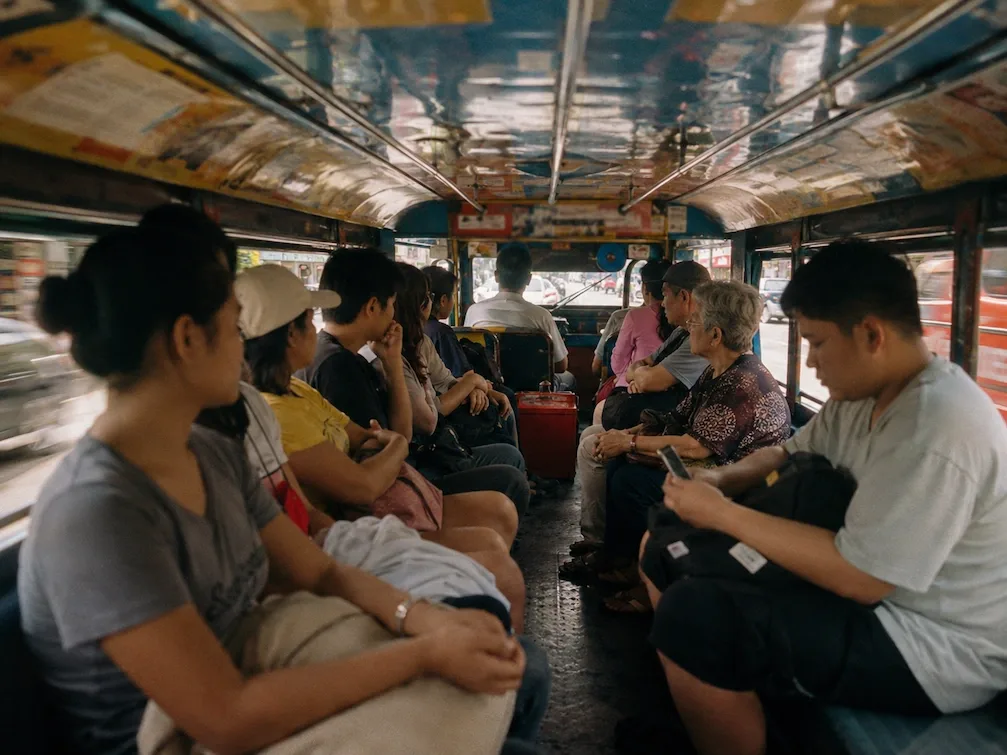
The trains are the quiet advantage here: elevated, cheap, and immune to whatever EDSA is doing below them.
The system
Make Grab your default
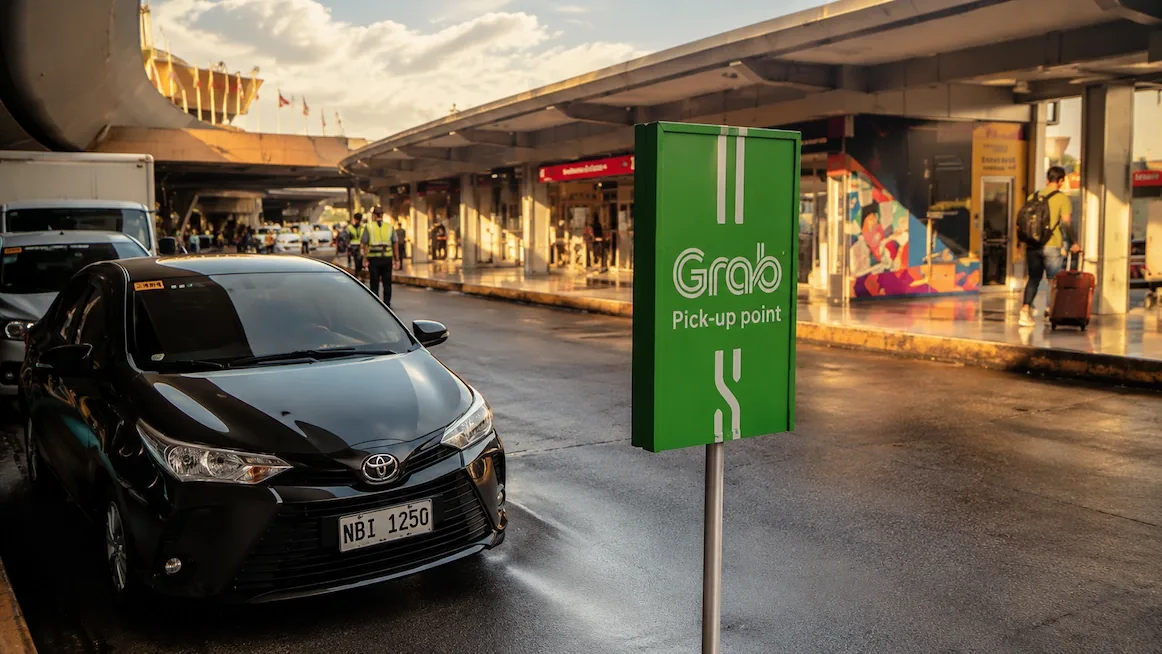
Grab is the everyday answer, and most nomads never move past it. You see the fare before you commit, the driver is tracked, and you can pay by card, GCash, or cash. For short hops in bad traffic, Grab also runs motorbikes, which thread the gridlock in a way no car can. Book from inside the app, not from the curb.
Get a beep card for the trains
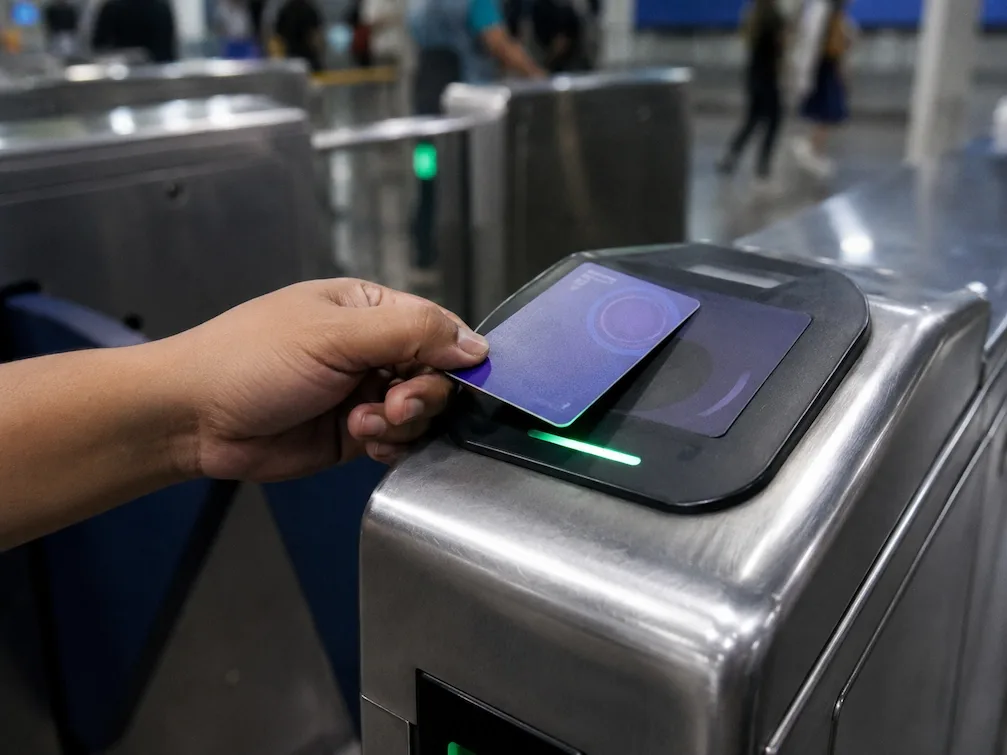
The LRT and MRT lines run above the worst of EDSA traffic, and at rush hour they beat any car. Buy a beep card, load a little value, and tap through the gate. The trains are cheap and get packed, so travel light and dodge the 7 to 9 morning and 5 to 8 evening crush if you can.
Know when to skip the road
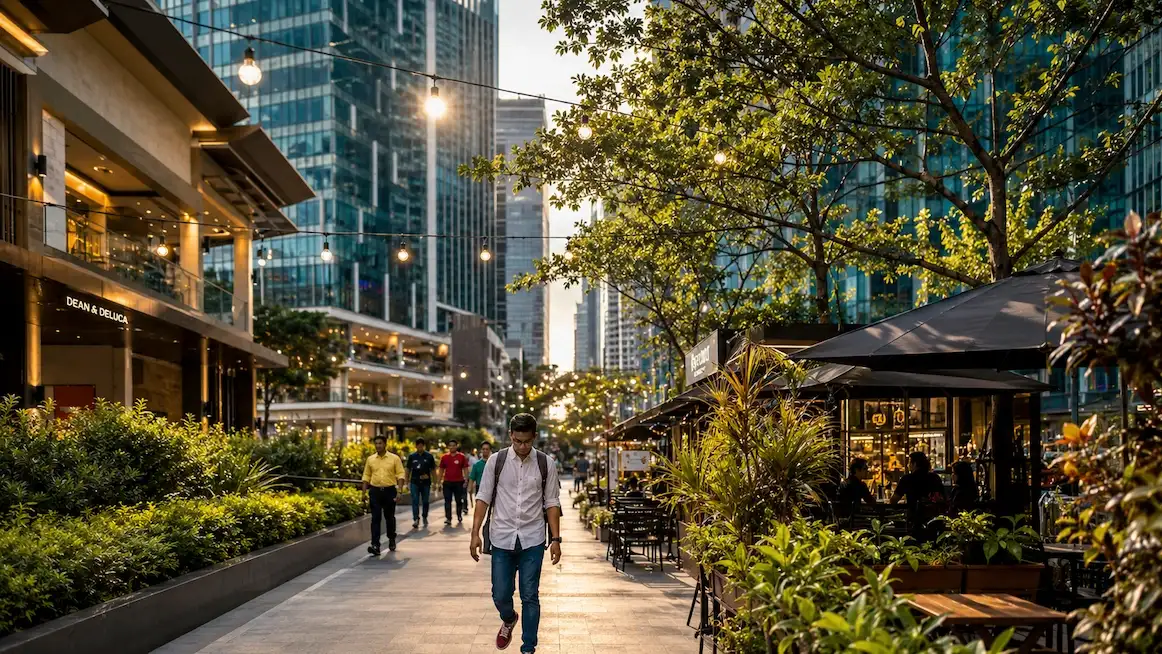
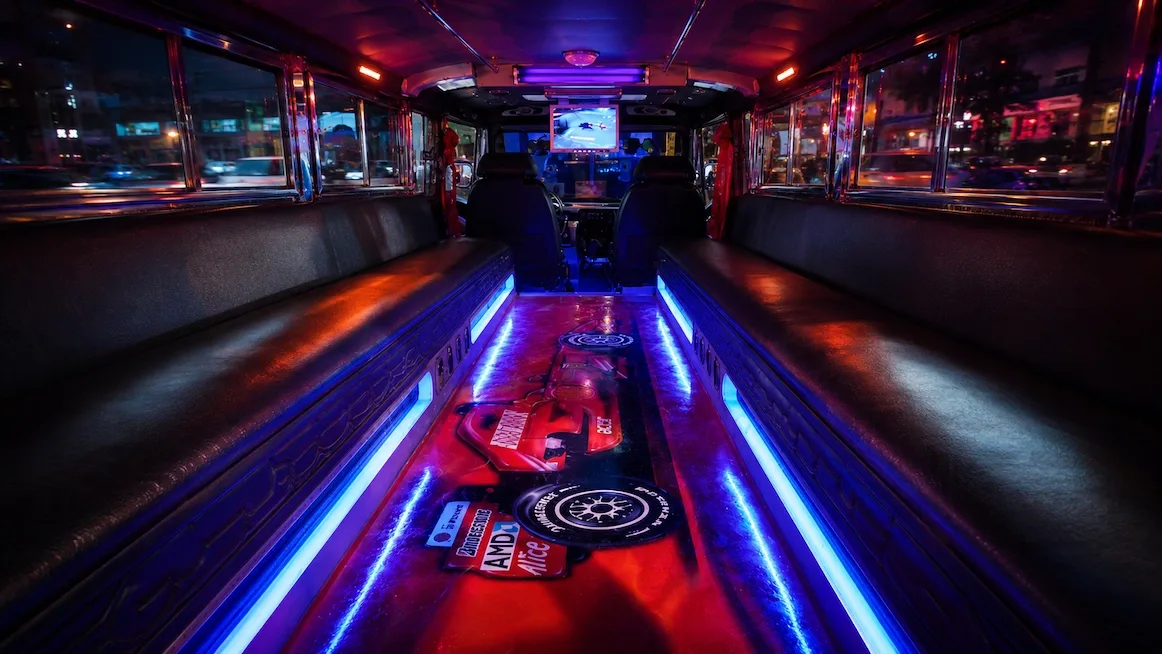
Some trips are quicker on foot, and BGC and the Salcedo and Legazpi pockets of Makati are built for walking. Elsewhere, the jeepney is the local icon, cheap and everywhere. You wave one down, hand your fare forward, and call para po when you want off. Try it once for the experience, and keep Grab for anywhere you're in a hurry.
Manila distance is measured in minutes, and the number changes by the hour.
Mistakes to avoid
Fighting the traffic instead of timing it
Trip times here swing with the clock, not the distance. Plan the big trips around the roughly 7-to-9 morning and 5-to-8 evening peaks, and remember that rain makes both of them worse.
Ignoring the trains
For any trip near EDSA or Taft at rush hour, the elevated LRT and MRT skip the gridlock the roads are famous for. A beep card and the right line save you an hour some afternoons; travel light and dodge the worst of the crush.
Booking a car when a bike would fly
When the roads seize up, a car just parks you in the jam. A GrabBike threads gaps a car can't, and for short hops in bad traffic it's usually the fastest way out of a snarl.
Skipping the beep card because Grab exists
Grab is the fine default, but if you'll touch the trains at all, a beep card taps you straight through the gates and past the ticket line. It's a small thing that saves a lot of standing around.
Common questions
Do I need a beep card?
Only if you plan to ride the trains, and it is worth it if you do. A beep card taps you straight through the LRT and MRT gates and works on many city buses too, so you skip the ticket line. If you live entirely inside Grab, you can happily go without one.
Are the trains worth using?
For any trip near EDSA or Taft at rush hour, absolutely. The elevated LRT and MRT lines skip the gridlock the roads are famous for, and they cost almost nothing. They get packed and don't reach everywhere, so they won't replace Grab entirely, but a beep card and the right line save you an hour some afternoons. Travel light and avoid the worst of the crush.
Is Grab safe here?
Yes. It's the safe default here: the fare shows before you book, the driver and route are tracked on your phone, and it takes card, GCash or cash. It's a far calmer choice than negotiating with a driver at the curb. For short hops in bad traffic, GrabBike threads the gridlock a car can't.
When's the worst traffic?
Roughly 7 to 9 in the morning and 5 to 8 at night, and rain makes both worse. How long a trip takes depends more on when you leave than on where you're going, so plan the big ones around those windows. When the roads seize up, the elevated trains or a GrabBike are your way out; a car just parks you in it.