Live market · Yodl Brazil · field guide
Paying in Brazil
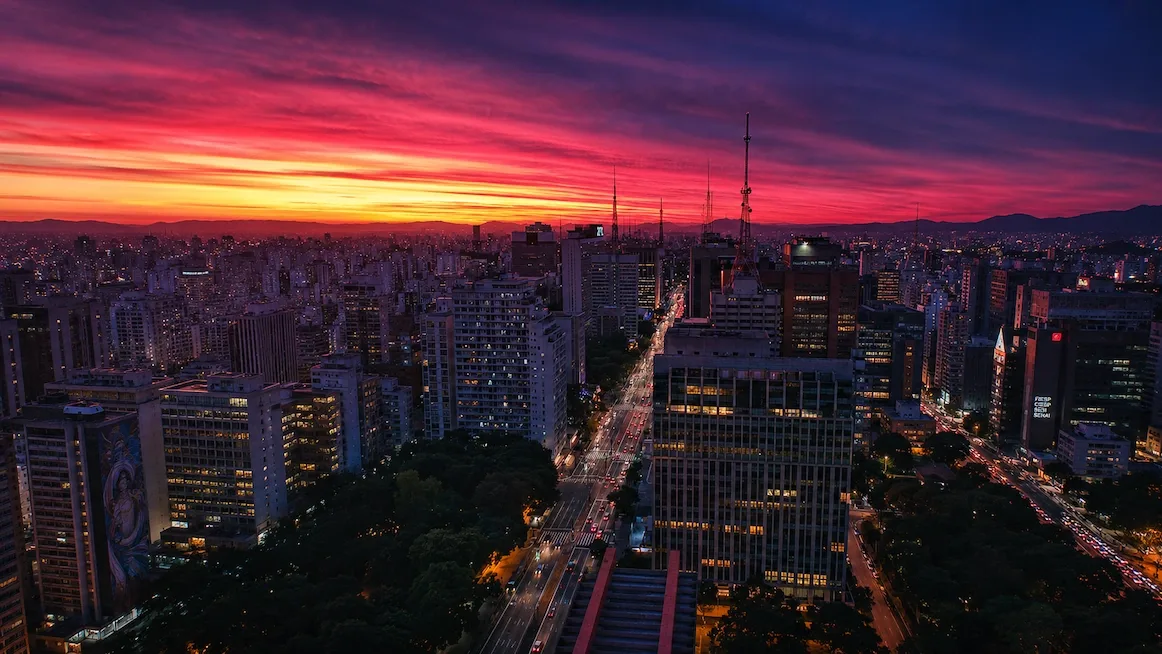
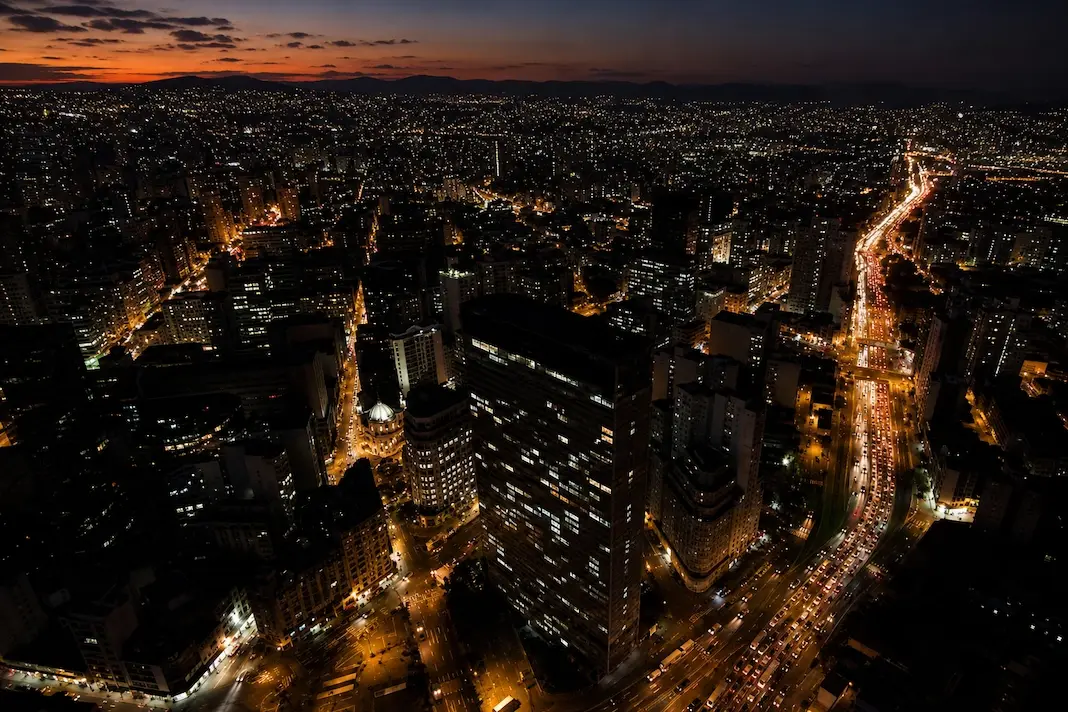
São Paulo is a working city, not a postcard: twelve million people, permanent traffic, and the best food in the country. This is how to land, move, eat, work, and pay for all of it without your bank taking a cut of every swipe. Pix is national, so this works far beyond São Paulo — anywhere in Brazil that takes a Pix QR.
01 · Arrive
Getting in from Guarulhos
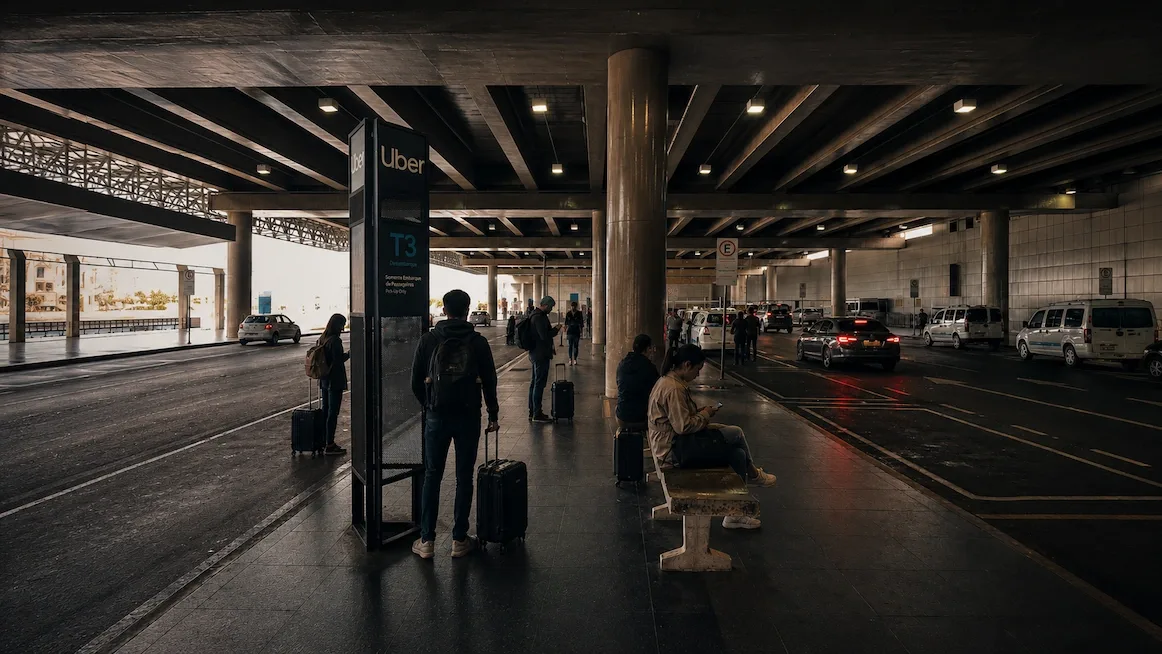
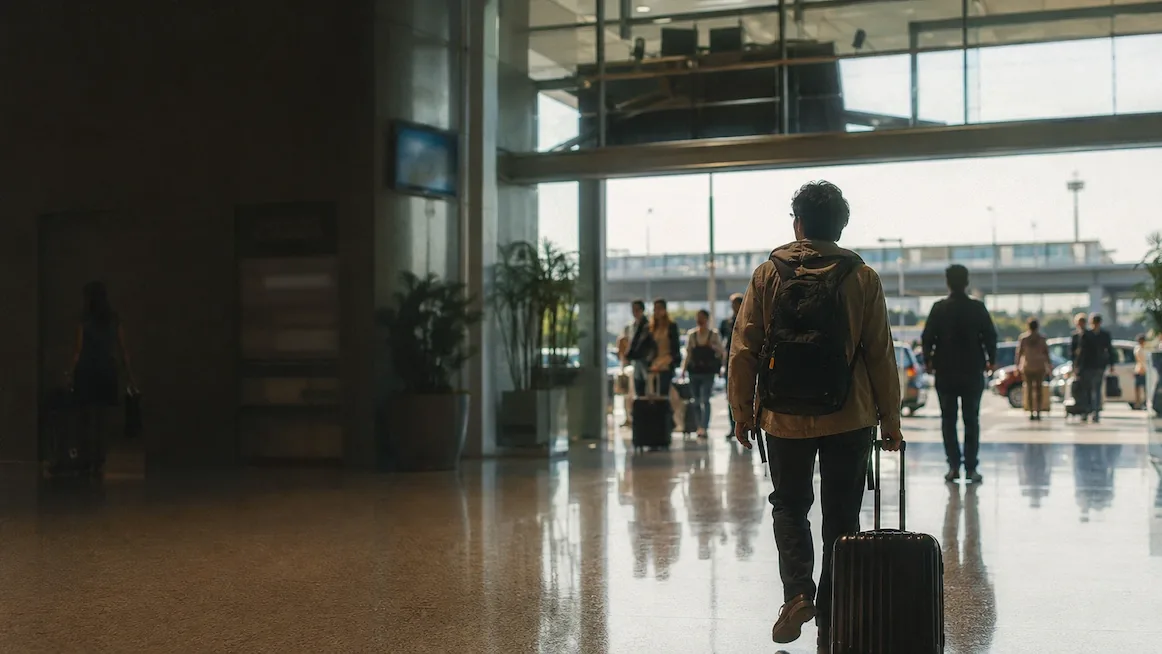
Nearly every international flight lands at Guarulhos (GRU), a good 25 to 30 km northeast of the center, and the drive in runs anywhere from 40 minutes to an ugly two hours depending on traffic. Uber and 99 both work from the airport and are the path of least resistance; the Airport Bus Service to Paulista and the Line 13-Jade train are cheaper if you're patient. Set up an eSIM before you board (Claro, Vivo and TIM all support it). You barely need cash: the city runs on cards and Pix.
02 · Get around
The metro, and everything else
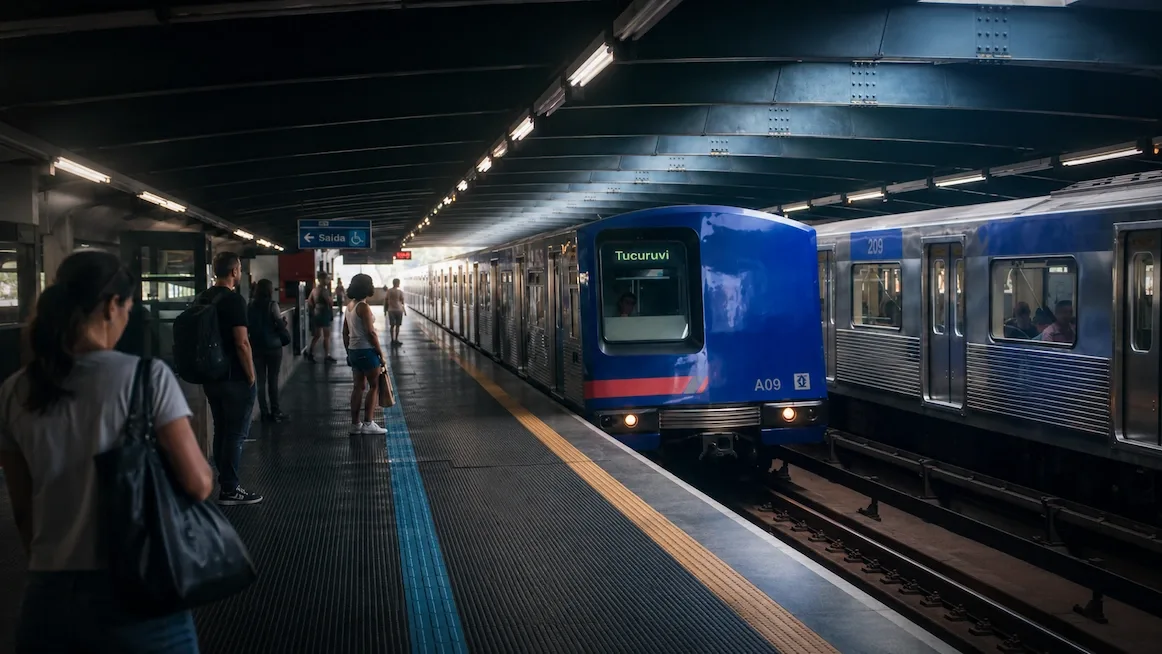
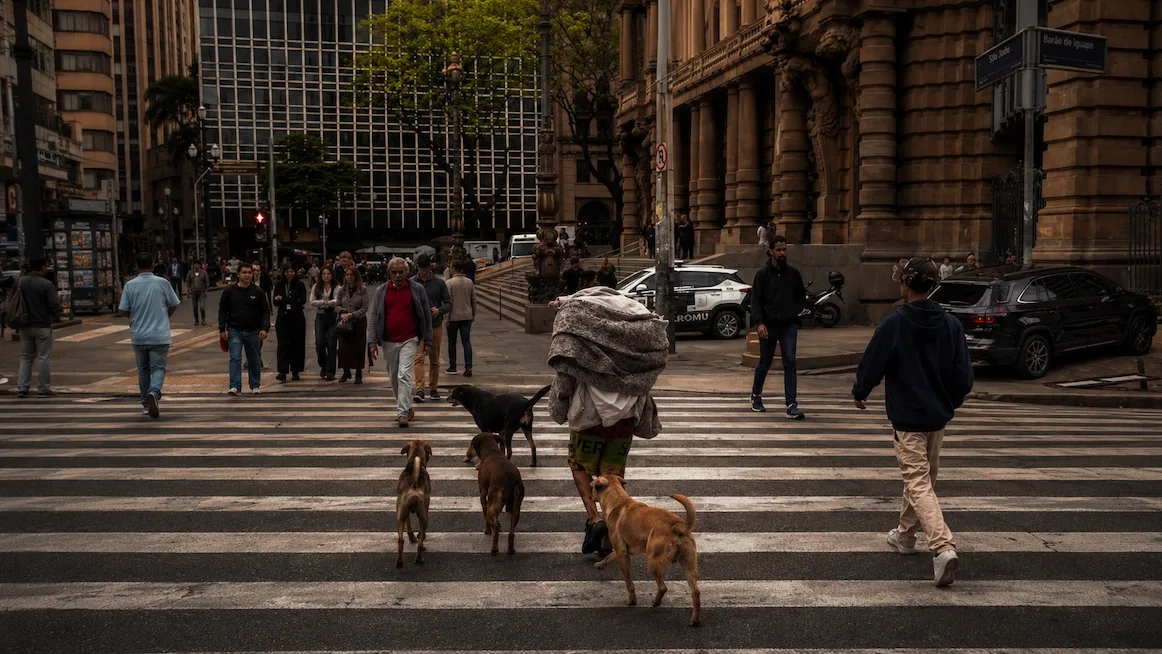
The metro is clean, cheap and fast. The catch is coverage: it doesn't reach everywhere, so you'll mix it with city buses, the CPTM trains, and a lot of Uber and 99 (often the cheaper of the two). A rechargeable Bilhete Único covers the metro, trains and municipal buses on one tap. São Paulo is walkable inside a neighborhood and miserable between them, and the traffic is a permanent feature. Don't rent a car. You don't want to park it, and you really don't want to drive it.
03 · Money & paying
One rate, one QR system
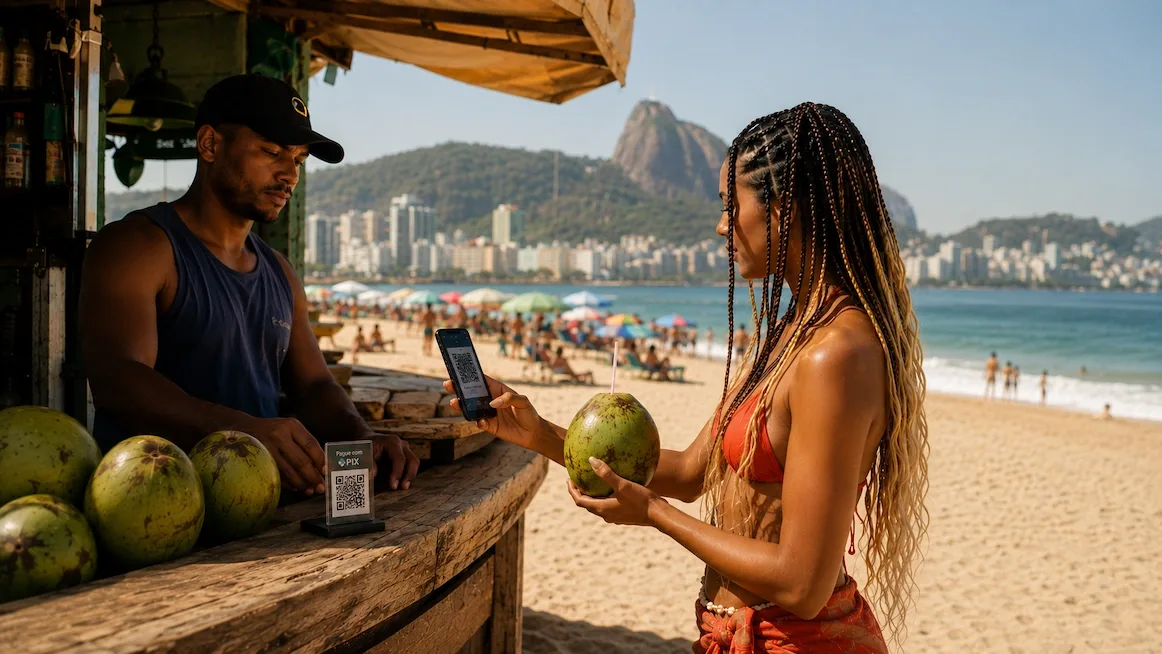
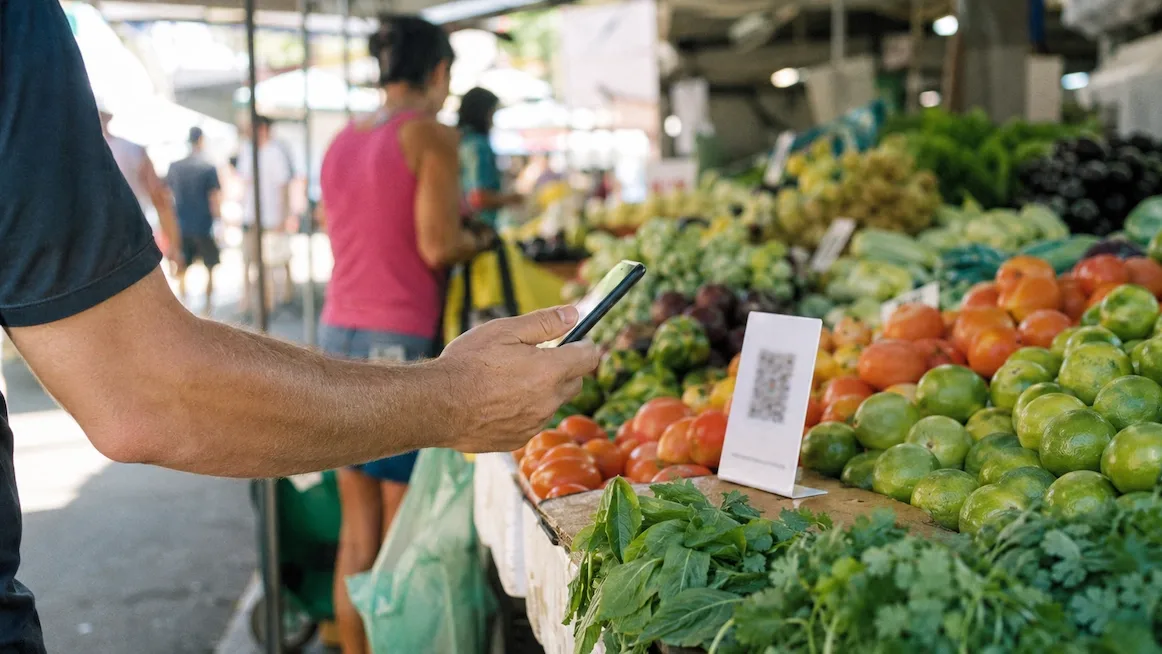
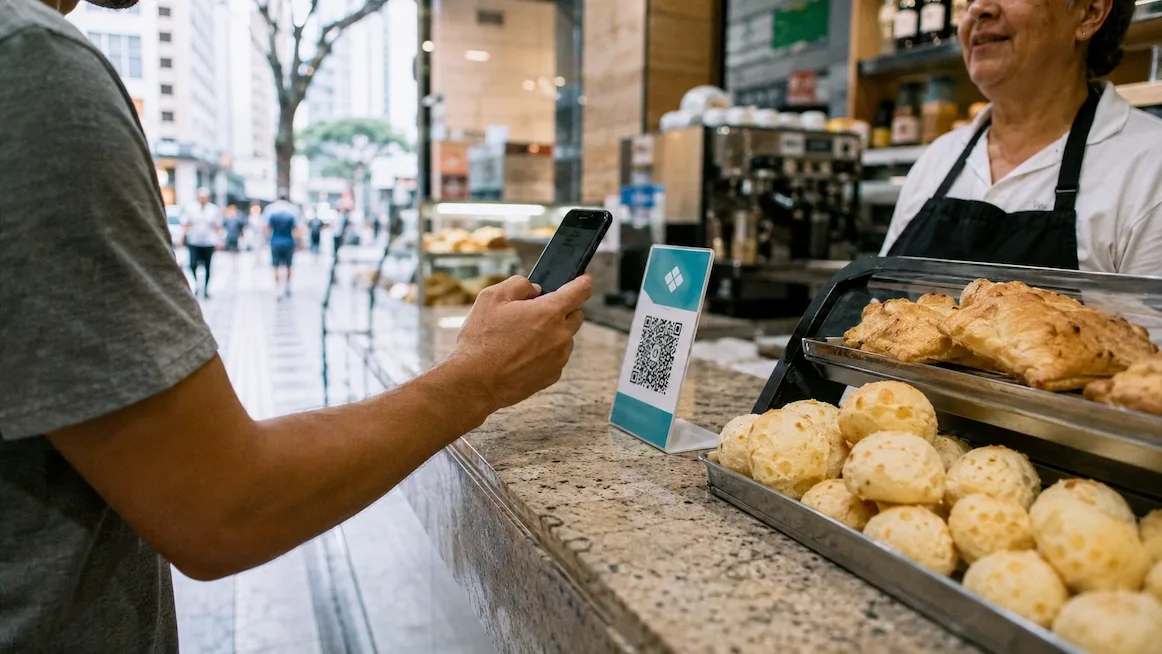
There is no Argentina playbook to run here: no parallel rate, and anyone promising one is selling something. Pix is the country's instant, free, bank-official QR system, and it is everywhere, from the market stall to the juice bar that stopped taking cash years ago. The leak in your wallet is your home card: the foreign-transaction markup, the conversion spread, and the 'pay in dollars?' trap at the terminal (say no; pay in reais).
Yodl's answer: hold your money as stablecoins (USDC/USDT), point the phone at the same Pix QR everyone else scans, and a licensed local company pays the shop in reais on the spot. You skip the exchange counter and the card machine entirely, and no Brazilian bank account is involved. You keep control of your own funds, and the merchant sees a normal Pix payment land.
A $50 lunch, two ways
Sample · verify04 · Eat & drink
Lunch is the main event
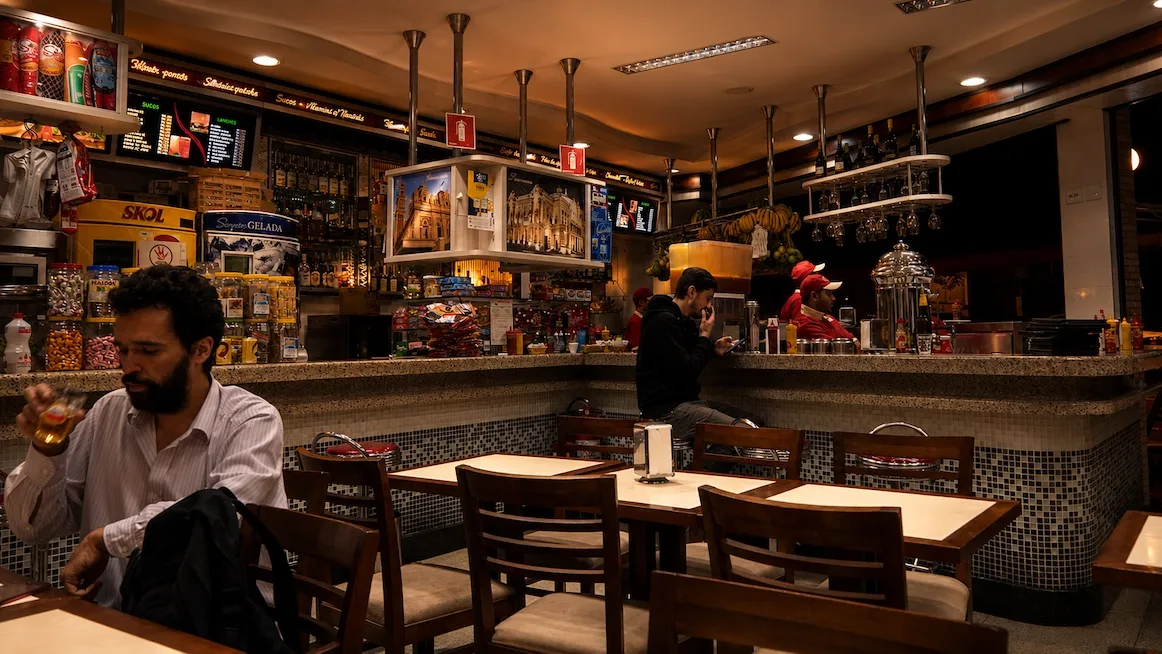
São Paulo is, quietly, the best place to eat in Brazil, and the rhythm matters as much as the menu. Breakfast is a padaria affair, coffee and pão na chapa at the counter. Lunch is the ritual: a comida por quilo buffet you pay for by weight, or a prato feito set plate, eaten fast and early. Evenings belong to the boteco, where the plates shrink into petiscos and the beer stays very cold. Feijoada is a Wednesday-and-Saturday thing, so time your appetite.
05 · Work
Built for remote work
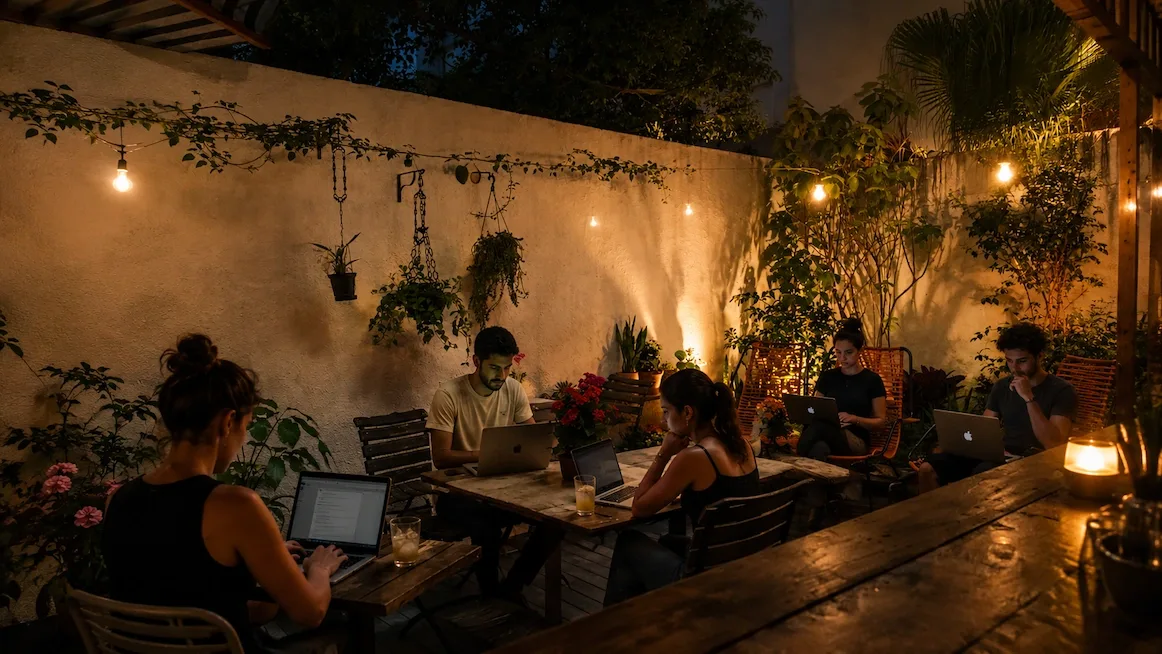
For a remote worker this is one of the easier cities in the Americas: fiber is fast and common, there are well over a hundred coworking spaces, and cafés like Urbe Café near Paulista are set up for a laptop and a long flat white. The city sits at UTC-3 with no daylight saving, which lines up neatly with the US East Coast and makes a working day alongside American teams painless. Pinheiros and the Avenida Paulista corridor hold the densest cluster of desks and good coffee.
06 · Neighborhoods
Which bairro, and why west
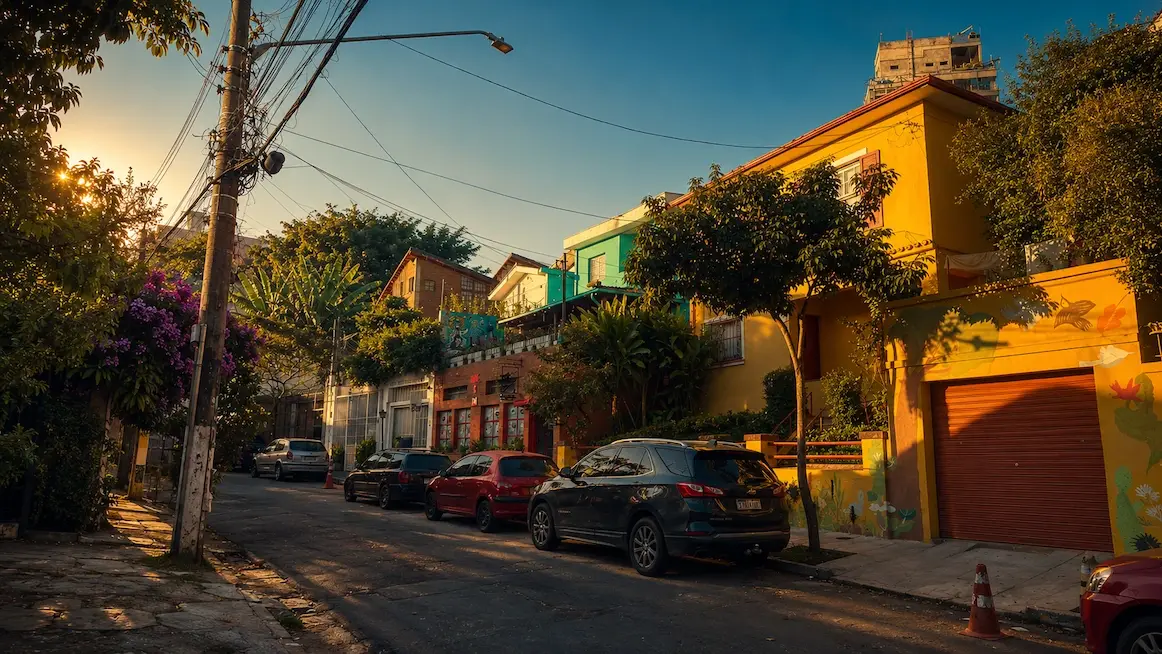
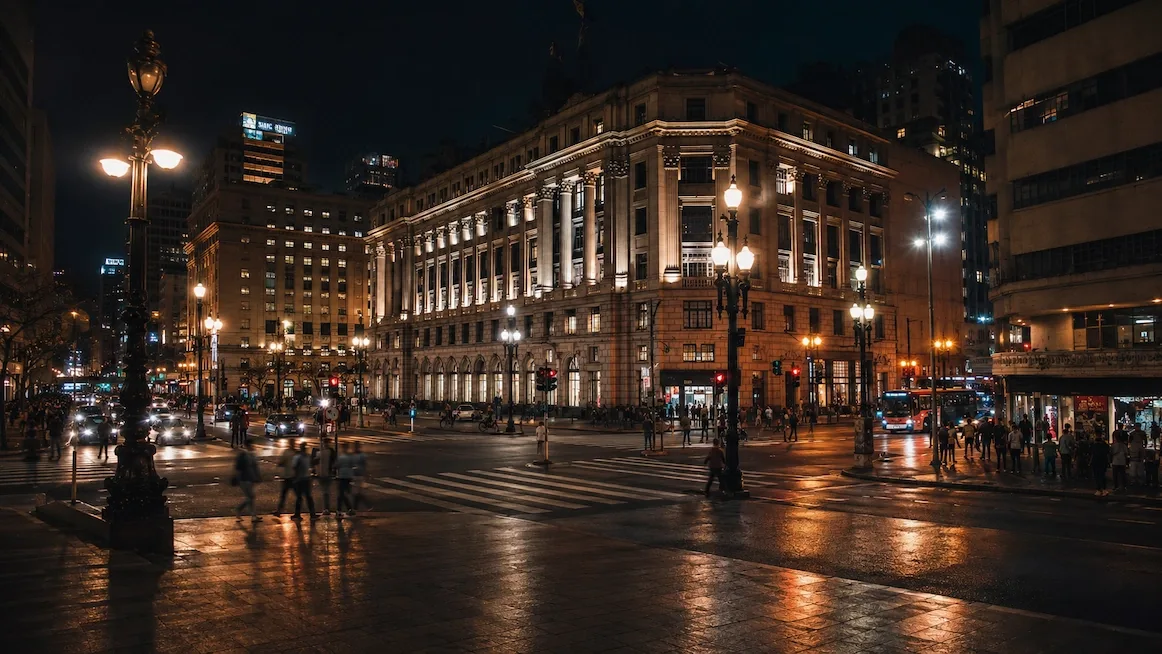
Base yourself west. Pinheiros is the sweet spot: walkable, metro-connected, stacked with cafés and restaurants. Vila Madalena next door trades some quiet for street art and nightlife. Jardins is leafy and upmarket but oddly metro-poor, so you'll lean on Uber. Vila Mariana is calmer and greener near Ibirapuera Park for longer stays, and Itaim Bibi skews business-and-bars. Don't base yourself in the old center just to save on rent.
The directory
Places we actually go
- Pick$$$
A Casa do Porco
The pork temple downtown that keeps landing on the world's-best lists, and it earns the fuss; the whole-animal tasting menu is the reason to come. Book online weeks out or line up early for a counter seat. The standalone pork sandwich is the cheap way in.
Eat · Centro
- Pick$$
Coffee Lab
Isabela Raposeiras's roastery-and-barista-school in Pinheiros, the most-decorated specialty café in the country and still the one serious coffee people name first. Come for a pour-over and a quiet weekday laptop hour; weekends it fills up and turns social.
Coffee · Pinheiros
- Alt$$
Veloso Bar
A tiny corner bar people cross the city for, built on one thing: the chicken-and-catupiry coxinha, plus a jaboticaba caipirinha. No reservations and always a crowd, so show up before 6pm or resign yourself to the sidewalk.
Drink · Vila Mariana
- Skip—
Beco do Batman
The graffiti alley in Vila Madalena. The art is good and always changing, but weekends turn the lane into a slow-moving photo line with vendors and influencer shoots. Go before 10am on a weekday, take the picture, then spend your real time in the bars around it.
Do · Vila Madalena
Curated and opinionated — the list grows as we go, and gets fixed the moment a reader tells us it changed.
Every guide, one place
The Brazil guides
Start here · Anchor
How to pay in Brazil as a traveler
Forget the parallel-rate myths and the card-machine traps. Pix runs this city, and with stablecoins (USDC/USDT) in Yodl you pay the same QR everyone else does, at a fair rate, without opening a Brazilian bank account.
Brazil
São Paulo
Field guide
Landing in São Paulo
Field guide
Getting around São Paulo
Field guide
Working from São Paulo
Field guide
São Paulo neighborhoods
Florianópolis

Rio de Janeiro
Not just one city
More cities in Brazil
Guides for the other cities we cover in Brazil.
Brazil, answered
The short version. Everything else is in the guides above.
Is there a cheaper 'blue dollar' rate here like in Argentina?
No. Brazil has one official exchange rate, and Pix pays out at it instantly and free; there is no parallel market to chase. The only saving on the table is avoiding your home card's foreign-transaction markup and poor conversion, a real cost that most people never itemize. Anyone offering a 'special rate' in Brazil is running a scam.
Do I need cash here?
Barely. Pix and cards cover almost everything in São Paulo, from the padaria to the taxi, and many small places have quietly stopped keeping change. Still, carry a few reais for a market stall, a beach vendor, or the rare spot that only takes paper. Here, cash is for the exceptions.
Is São Paulo safe?
It's a big city and asks for big-city sense, not fear. Petty theft and phone-snatching are the real risks, so keep your phone off the sidewalk table and use a ride app late rather than walking unfamiliar streets. The west-side neighborhoods most visitors use feel busy and lived-in. Stay aware in the old center after dark and you'll be fine.
Do I need to speak Portuguese?
It helps more than Spanish would, since English is less widespread here than you might expect, but you'll manage. Menus, maps and ride apps carry a lot of the load, translation apps cover the rest, and Paulistanos are patient with a visitor who tries. A few polite phrases open doors, and a month in, the daily-life vocabulary sticks whether you meant it to or not.
Pay like a local in Brazil.
Your balance stays in stablecoins; the shop gets reais. One app for travelers, expats and nomads.