Part of: Paying in Argentina
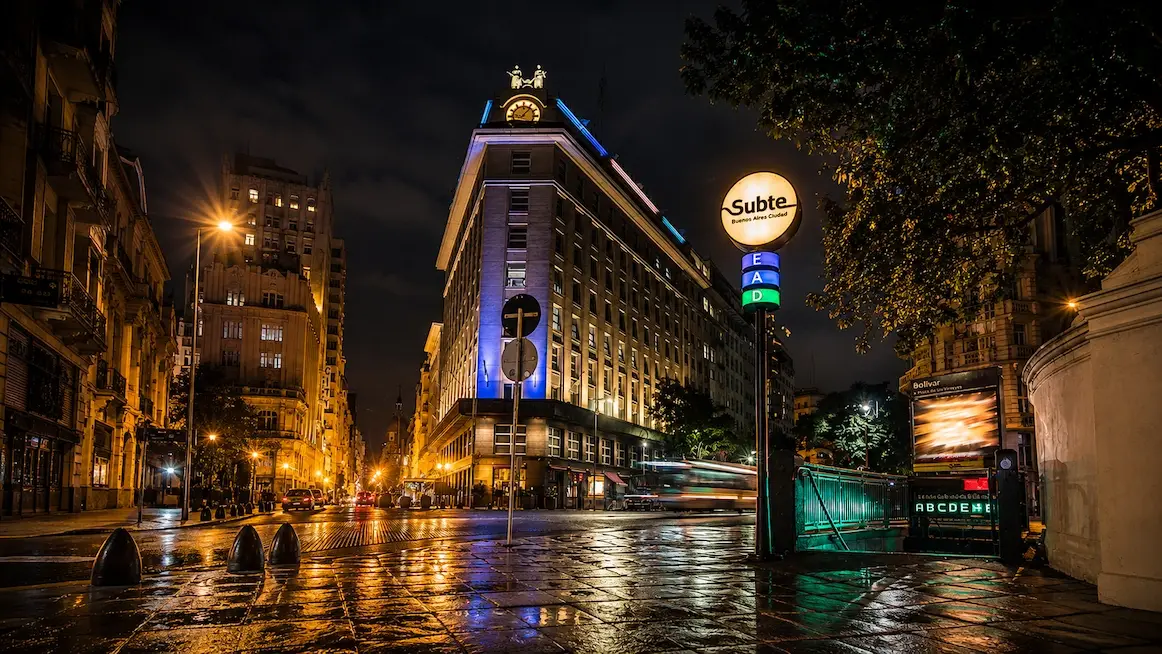
The least glamorous purchase you’ll make in Buenos Aires is the one you’ll use most: a SUBE card, a few pesos of plastic from any kiosco, good for every bus and every subte turnstile in the city. Fares cost so little you’ll assume you misread the screen. The subte fills in the middle with six lettered lines, but it closes early in the evening, so the round-the-clock colectivos are what actually run the city. The rest of getting around is a running judgment call between your feet and a ride app.
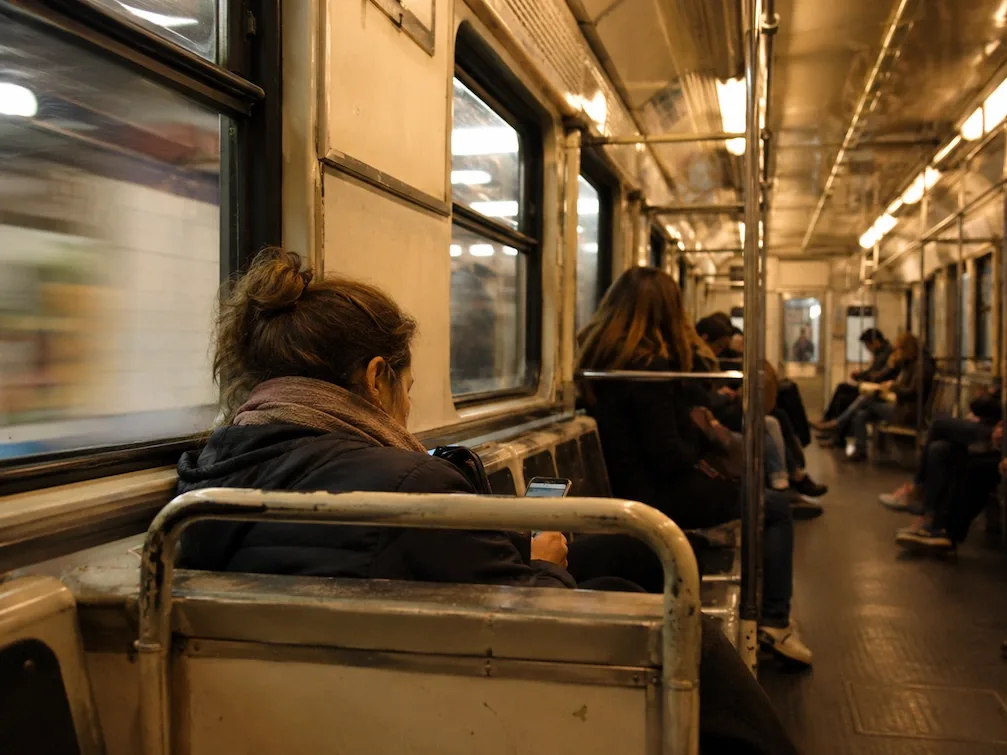
Locals treat the colectivo map the way New Yorkers treat the subway: total confidence in their own three lines, vague rumors about the rest.
The system
Get a SUBE card
Any kiosco sells one. Load it with cash and tap it on every colectivo (bus) and at the subte (metro) turnstile; one card covers the whole network, and you'll use it a dozen times a day. Top it up before it runs dry, because an empty card at a bus door with a line behind you is its own small shame.
Adopt two or three bus lines
The network is vast, cheap, and runs all night, but nothing about it is intuitive. Pull the route up in your maps app, tell the driver where you're getting off, and tap on. The handful of lines between your neighborhood and the places you go will carry you for a month.
Walk Palermo, ride the rest
Inside a barrio, walk; the good streets of Palermo, Recoleta and San Telmo sit close together. Between barrios or after dark, call a Cabify or Uber rather than hailing on the street. The subte is quick but shuts early, so it won't be your way home at night.
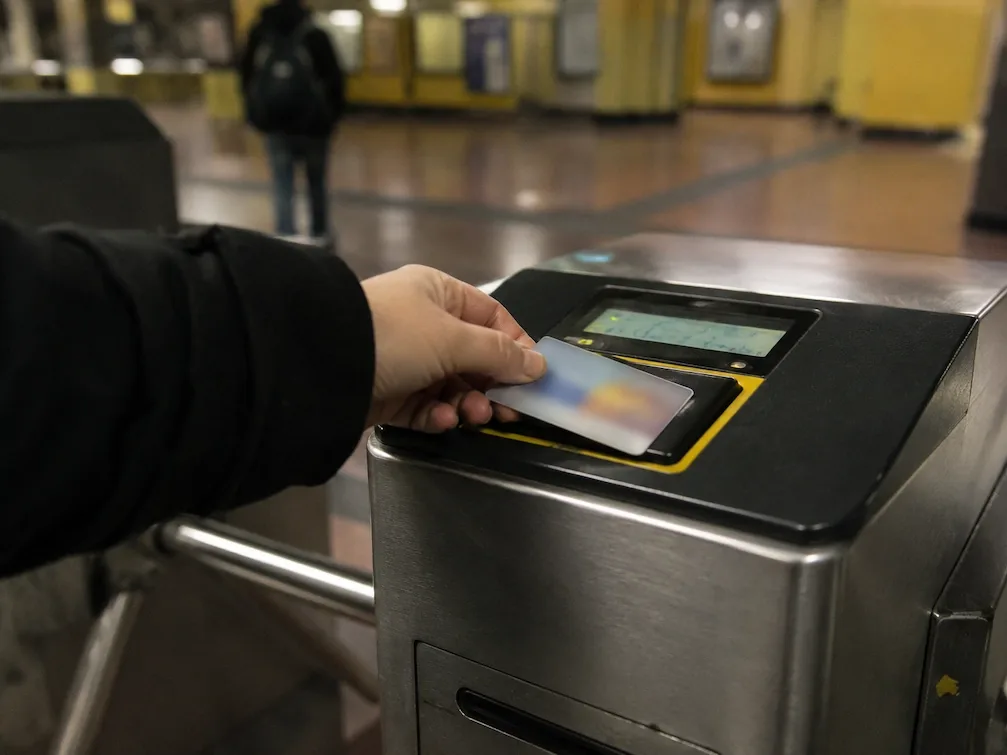
A colectivo across the whole city costs less than the coffee waiting at the other end.
Mistakes to avoid
Letting the SUBE run dry
An empty card at a crowded bus door with a line building behind you is the local rite of passage nobody enjoys. The driver can't sell you a fare on board, so top up at any kiosco before the balance is gone.
Treating the subte as an all-hours line
It's quick and cheap by day, but it shuts early in the evening and swelters at rush hour. Ride it while the sun's up and plan a colectivo or a ride app for after dark.
Trusting the colectivo grid to be intuitive
The network is vast and signed for people who already know it. Pull the line up in your maps app, tell the driver where you're getting off, and tap on, rather than trying to read the route from the stop.
Hailing an unmarked car late at night
Between barrios and after dark, the app car with a name, plate and fare set in advance beats whatever's idling at the curb. Locals do exactly the same; it isn't nerves, it's just how the city moves at night.
Common questions
Do I need a SUBE card?
Yes. Buses and the subte take nothing else, and nobody sells single fares in cash on board. Grab one from a kiosco on your first day, load a chunk of pesos onto it, and it carries you for the trip. Most kioscos and subte stations do top-ups.
Is the subte worth using?
For daytime trips along its lines, yes: it's quick, cheap, and skips the traffic. The catch is that it shuts early in the evening and gets sweaty at rush hour, so treat it as a daytime tool, not a night-out plan. Your SUBE card taps you straight through the turnstile, same as the buses.
Are the ride apps safe here?
Cabify and Uber are the sensible default, especially after dark and between barrios. You get the driver, the plate and the route on your phone, and the fare is set in the app so there is nothing to argue about. Locals use them the same way. Prefer them to flagging an unmarked car on the street late at night.
Where do I load the SUBE card?
Any kiosco sells and tops up a SUBE, and the machines in subte stations do too. Registering the card (with your passport, at a SUBE service center) gets you the lower subsidized fare — unregistered cards pay a higher rate. Load a decent chunk of pesos at once so you're not refilling every other day. One card covers every colectivo and the subte across the city.