Live market · Yodl Philippines · field guide
Paying in the Philippines
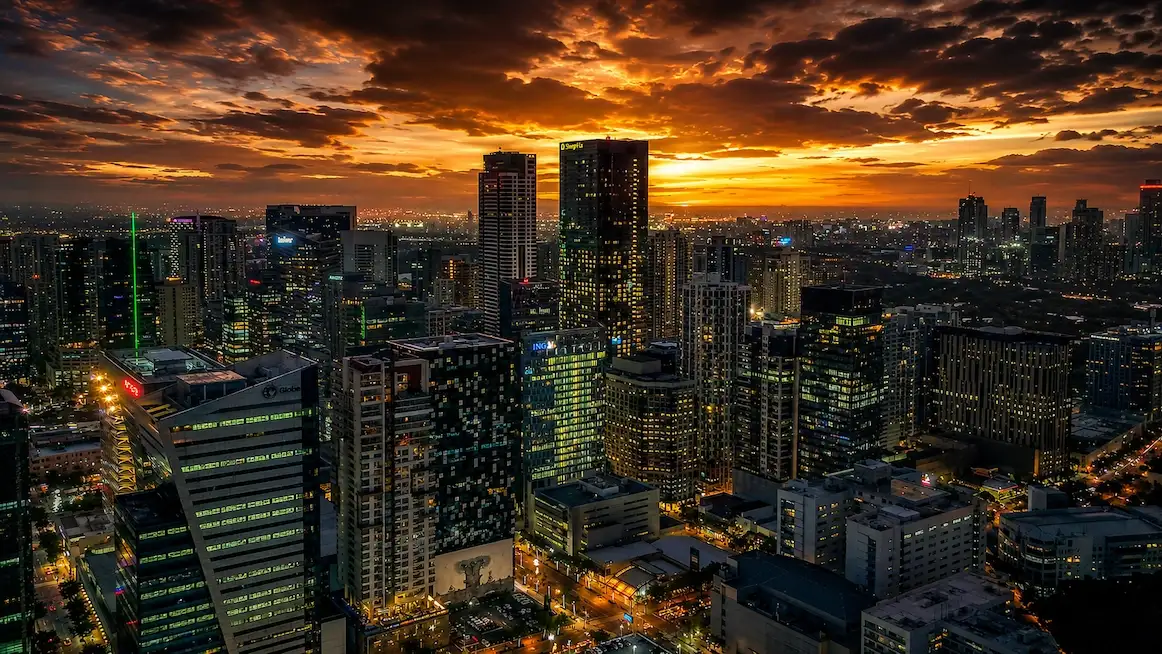
Manila runs on traffic, rice and QR codes, in roughly that order. How to land, move, eat, work and pay here without bleeding money to your card or the airport ATM. QRPh reaches registers across the Philippines, not just Manila — so Yodl works wherever you land.
01 · Arrive
Landing without the airport tax
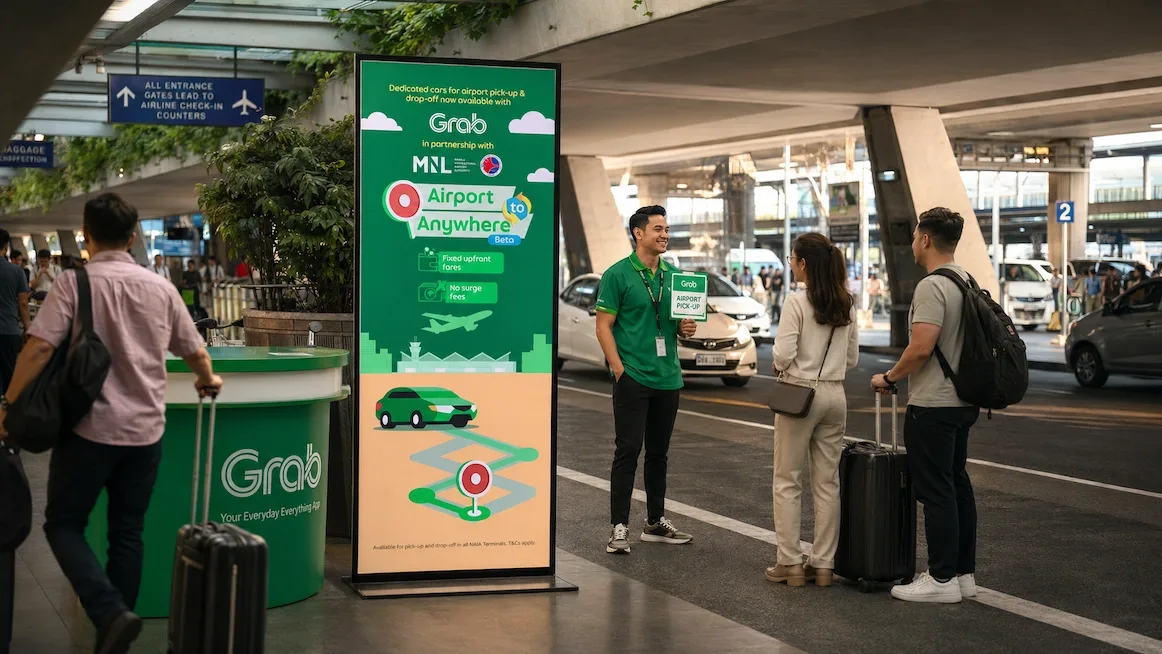
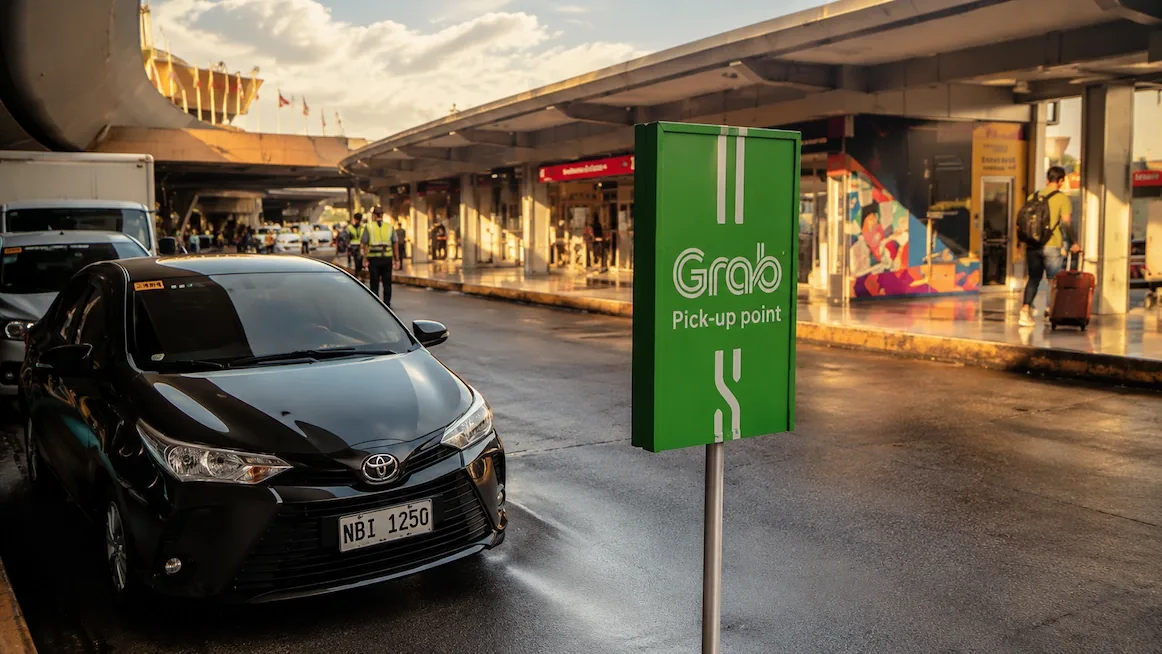
Manila's airport is a scrum, and the people at arrivals offering you a 'special' taxi are the one thing to walk straight past. The reliable ways into town are Grab (there's a staffed booth in every terminal if you land without data), the airport-authority yellow taxis, or the Ube Express bus if you're counting pesos. Buy a Globe or Smart eSIM before you fly, because you need data for Grab and maps immediately. Pull a little cash from a terminal ATM for jeepney and small-stall money, but save the bigger exchange for the city. Depending on the hour, the ride in can take 25 minutes to over an hour, so don't schedule anything tight on day one.
02 · Get around
Trains above the traffic, Grab through it
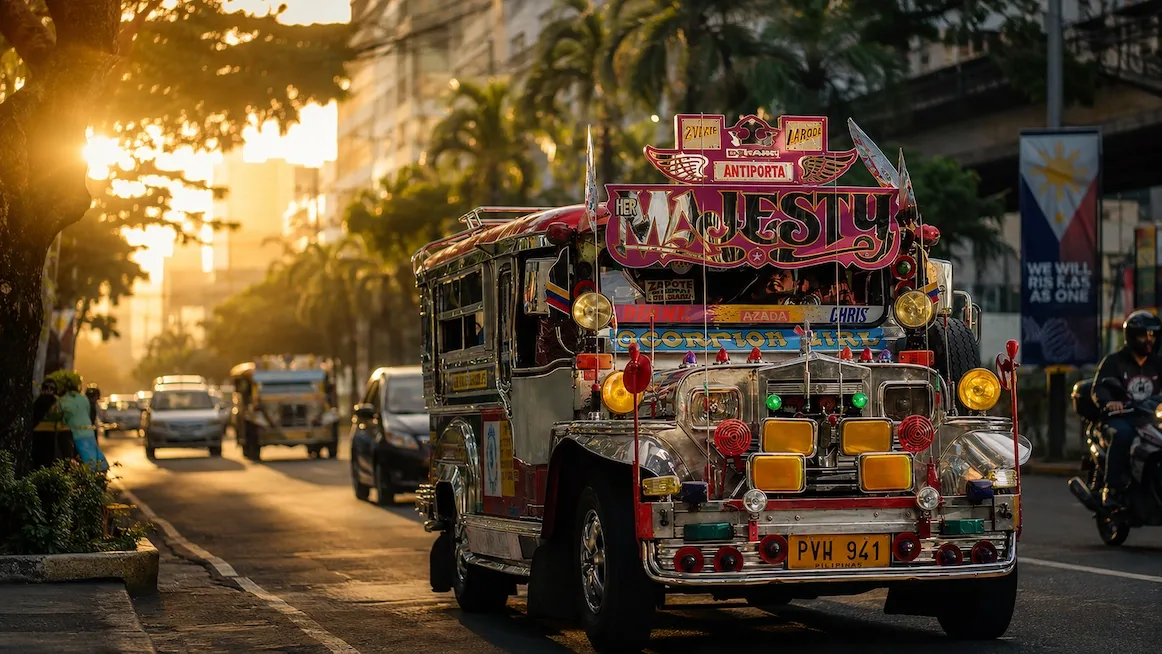
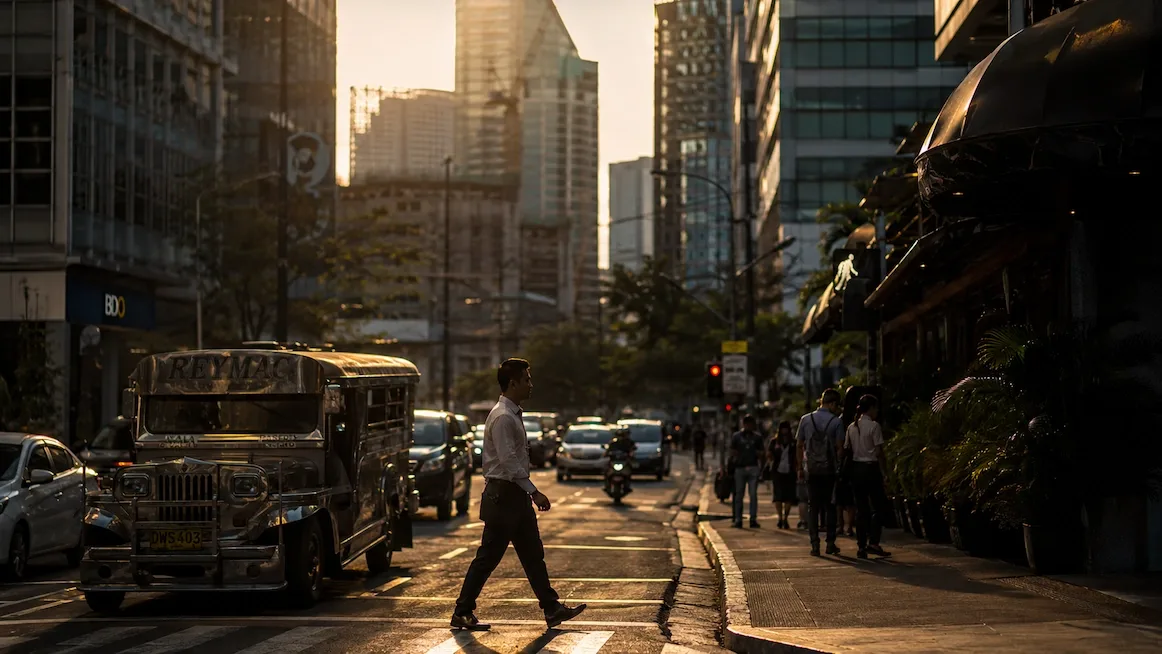
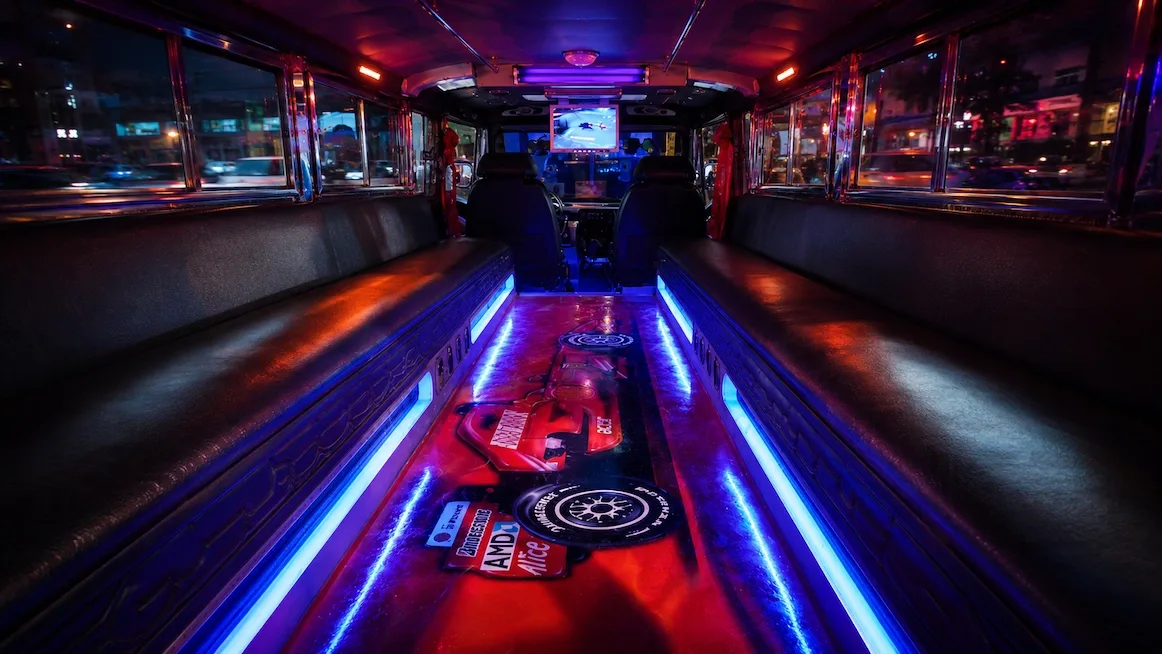
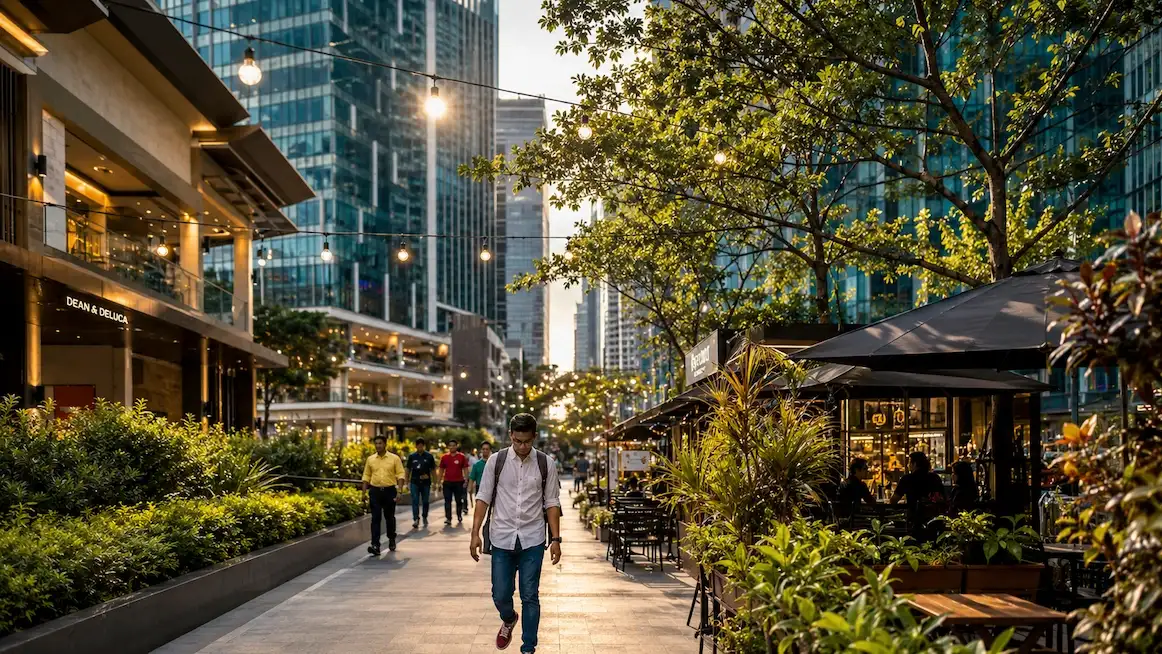
In Metro Manila, traffic is the real geography; plan around the clock, not the map. The elevated LRT-1, LRT-2 and MRT-3 lines skip the gridlock and cost almost nothing, so get a reloadable Beep card and use them for anything near EDSA or Taft Avenue. For everything else it's Grab, which is metered, cashless and the safe default, plus the occasional jeepney or tricycle for short hops. Real walking only happens inside BGC, where the sidewalks are real. Try not to move between 7 and 9 in the morning or 5 and 8 in the evening unless you like sitting still.
03 · Money & paying
The peso is the peso
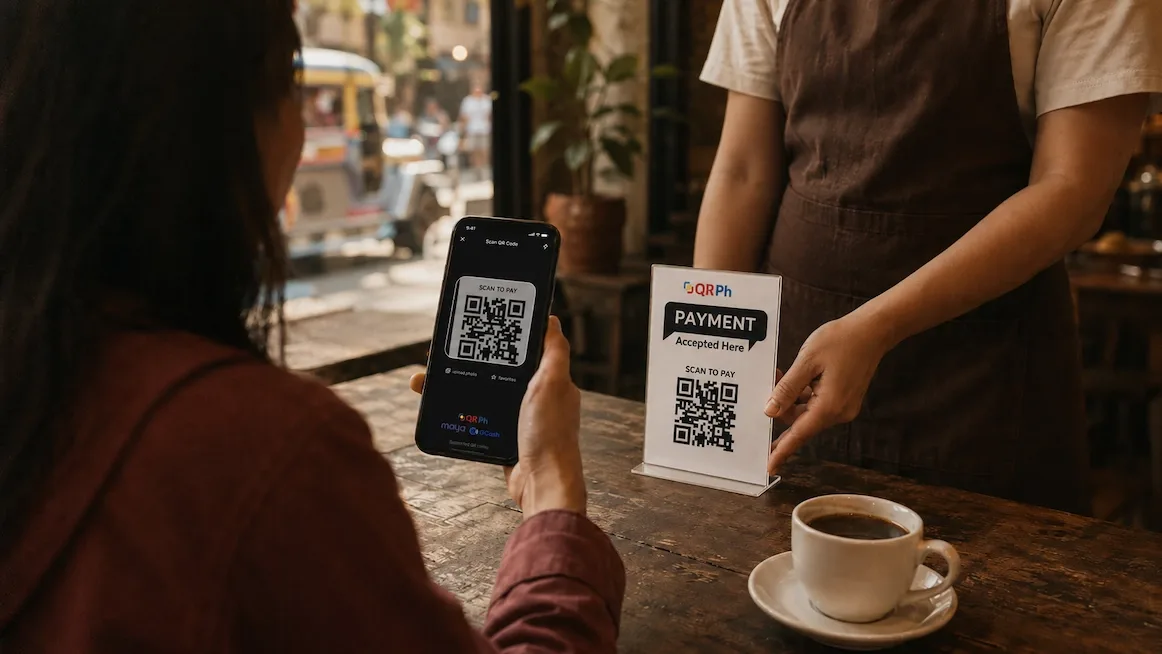
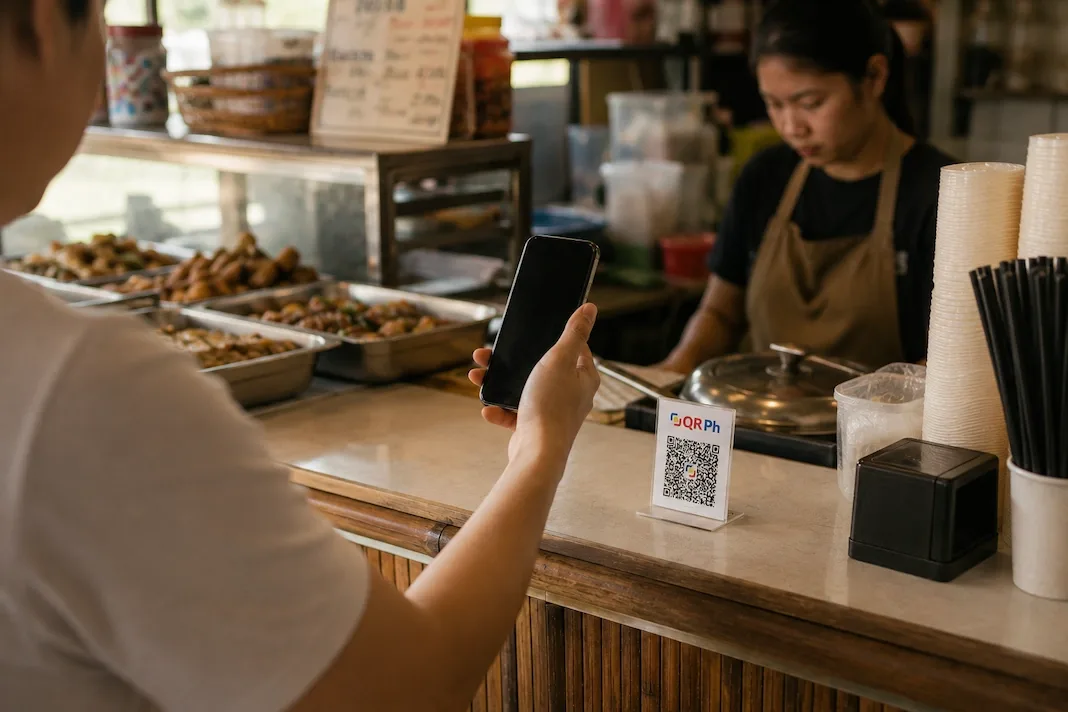
Metro Manila is a QR city. Nearly every café, restaurant, mall shop and convenience store shows a QRPh code, and locals pay by scanning it with GCash or Maya, one tap at the counter and done. There is no clever parallel rate to chase here the way there is in Argentina; the peso is the peso, whoever happens to be holding it. The money you lose as a traveler is quieter: the markup baked into card terminals and the withdrawal fee stacked on top of your home bank's fee at every ATM. Cash still rules jeepneys, tricycles, wet markets and the smallest carinderias, so always keep small bills on you.
The app we use here is Yodl. You hold stablecoins (USDC/USDT) in it, scan the same QRPh code the shop shows everyone else, and a licensed local company pays the merchant in pesos, so you don't need a Philippine bank account or a local e-wallet to make it work. It's the cleanest way we've found to pay at the counter like a local without feeding an ATM fee or a card's quiet markup on the way in.
A $50 lunch, two ways
Sample · verify04 · Eat & drink
Eat at the carinderia counter
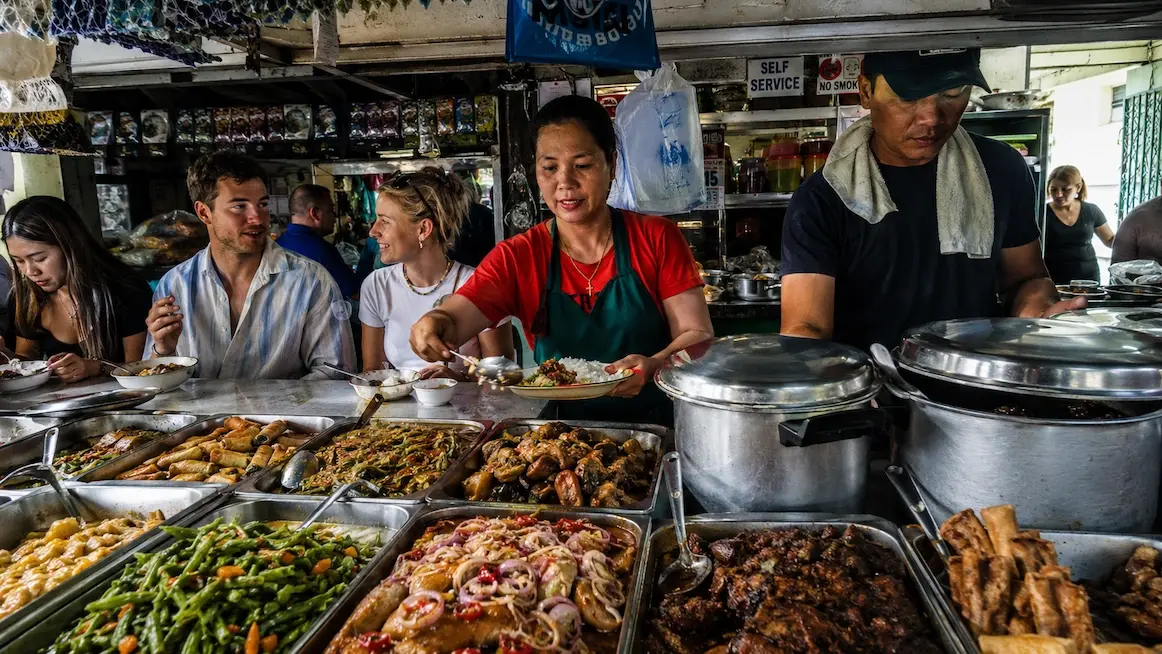
The best value in Manila is the carinderia, a counter of pre-cooked dishes you point at, rice included, for about the price of a coffee back home. Expect sisig, sinigang and kaldereta, and a breakfast built on garlic rice, egg and cured longganisa, the plate locals call silog. Poblacion is the nightlife-and-tacos district, Salcedo and Legazpi in Makati run weekend markets worth planning your Saturday around, and BGC is the polished, third-wave-coffee end of things. Eat where there's a line of office workers at noon and you'll rarely go wrong.
05 · Work
Fast fiber, awkward hours
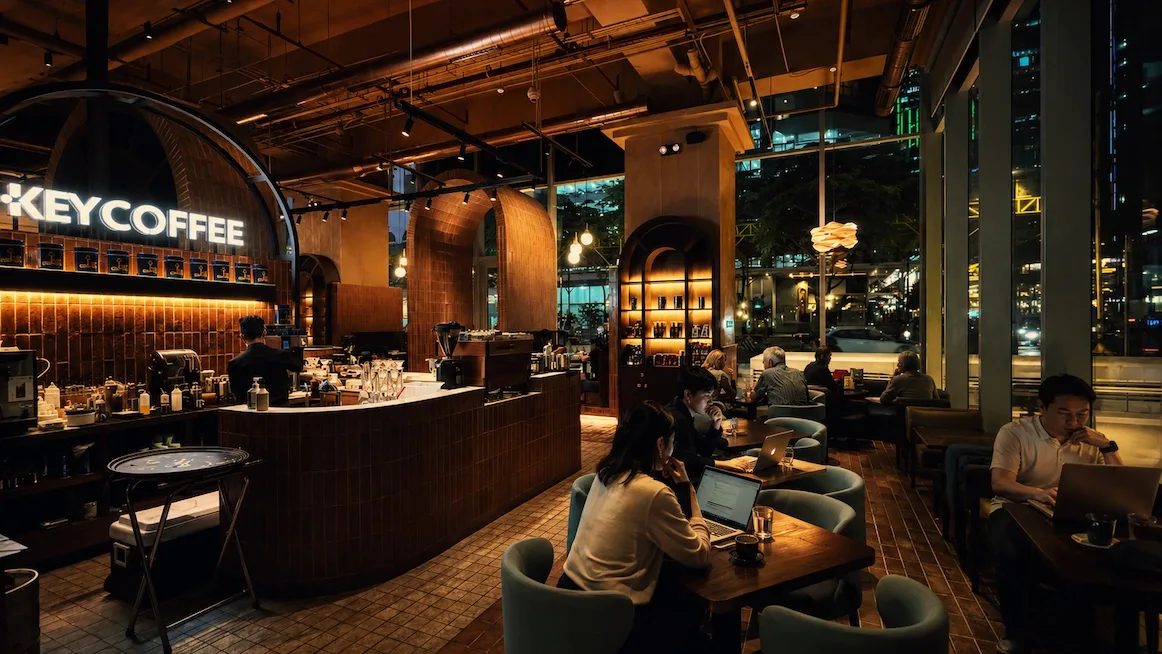
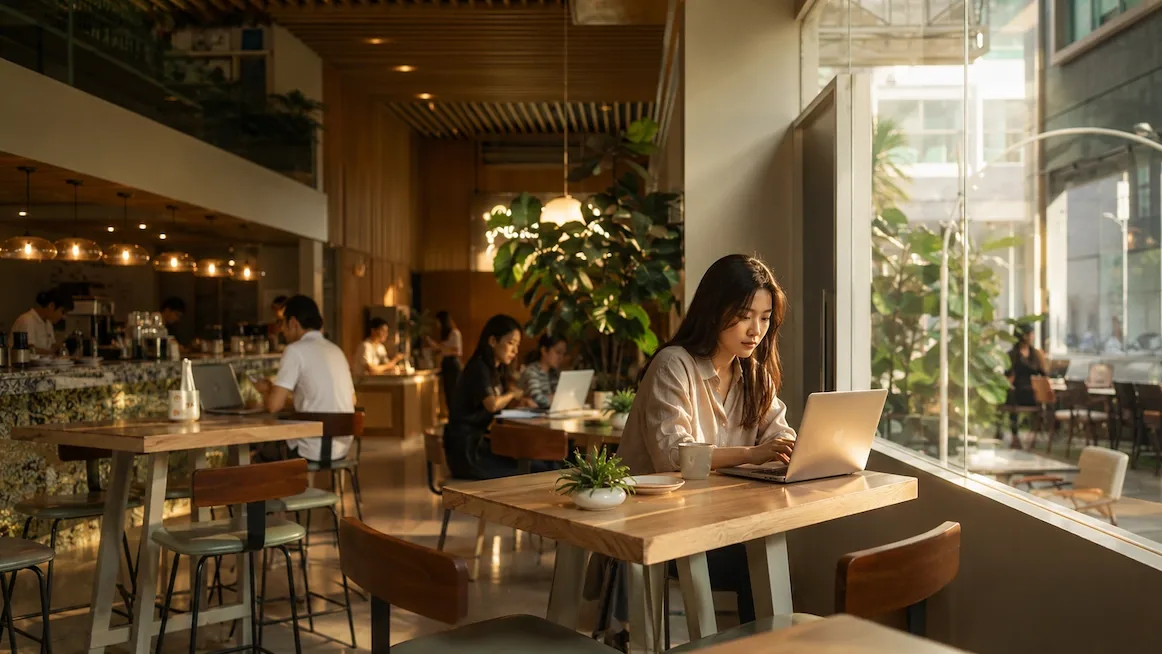
Manila is a good remote-work base if your calendar lives in Asia-Pacific and a punishing one if it lives in California. It's UTC+8 with no daylight saving, so you share a business day with Singapore and Australia and pull a night shift for an American team. Coworking spaces like Acceler8, KMC and The Company, plus the dense café rotation around Makati's Legazpi and Salcedo and along BGC's High Street, give you reliable desks. BGC has the most bulletproof internet in the metro; café wifi is more variable, so always keep a backup spot in your pocket.
06 · Neighborhoods
Pick your block carefully
Makati is the default landing spot, and within it Legazpi and Salcedo Villages are the leafy, walkable, weekend-market pockets where most nomads end up. BGC is cleaner, safer and more walkable than anywhere else in the metro, and priced to match. Poblacion is a great place to sleep near and a hard place to work near, loud days trailing loud nights. Whatever you choose, book short-term first: Manila changes character block to block.
The directory
Places we actually go
- Pick$$
Manam Comfort Filipino
The reliable modern-Filipino table you send everyone to first: classics done straight plus a few smart twists, all in small and big sizes so you can over-order without regret. Get the house crispy sisig and the watermelon sinigang, and go off-peak or expect a mall-hour wait.
Eat · Greenbelt, Makati
- Pick$$
Yardstick Coffee
Manila's third-wave benchmark and effectively the city's barista school: high industrial room, serious espresso, brunch that holds up. Great for a focused morning, but it fills and gets loud by midday, so land early for a table and a plug.
Coffee · Legazpi, Makati
- Alt$$
Single Origin
The dependable all-day BGC coffee-and-brunch house, open early to late with a choice of brew methods and plates big enough to call lunch. Convenient more than characterful, but an easy place to park yourself for a few hours of work.
Coffee · BGC, Taguig
- Skip—
Manila Ocean Park
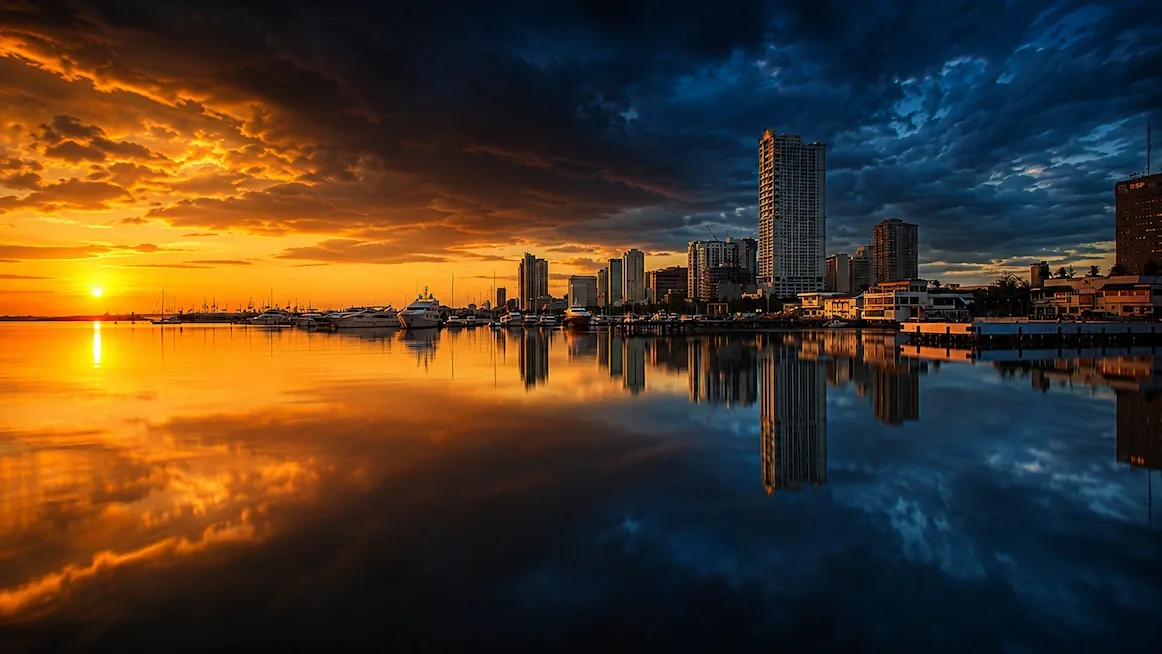
The waterfront oceanarium coasting on its spot by the bay: tired tanks, an add-on ticket for nearly every show, and a hard upsell over what you get to see. Give the hours to Intramuros or a seawall sunset instead.
Do · Ermita, Bayfront
Curated and opinionated — the list grows as we go, and gets fixed the moment a reader tells us it changed.
Every guide, one place
The Philippines guides
Start here · Anchor
How to pay in the Philippines as a traveler
One national QR standard hangs at nearly every register in Metro Manila. Pay it like a local from stablecoins (USDC/USDT) in Yodl, without a Philippine bank account and without the quiet card fees.
Philippines, answered
The short version. Everything else is in the guides above.
Can I just use my card everywhere?
In malls, chain restaurants and BGC, usually yes. But plenty of places, especially smaller ones, prefer a QR code or cash, and your card will quietly mark up the exchange rate while ATMs add their own withdrawal fee on top of your home bank's. Carry small peso bills for jeepneys, tricycles and carinderias no matter what.
Is Grab everywhere?
In Metro Manila, effectively yes, and it's how most visitors move: metered, cashless, driver and route tracked on your phone. It runs cars and, for bad traffic, motorbikes. Coverage thins out in smaller provincial towns, where you'll fall back on local tricycles or negotiated rides, but for the city and the airport run it's the reliable default.
Do I need GCash or Maya?
Not to travel here. GCash and Maya are the local e-wallets behind most QR payments, but both generally want a Philippine mobile number and local verification, which is a hassle for a visitor. You can pay the same counter QR from stablecoins through Yodl instead, and keep small peso bills for jeepneys and stalls. Cards cover the malls and chains.
Do I need to speak the language?
No. English is an official language and widely spoken across Metro Manila, on signs, on menus, and by drivers and staff, so you'll rarely hit a wall. Filipino (Tagalog) is the everyday language and a few friendly words are always welcome, but you can land, move, eat and work here comfortably in English alone.
Pay like a local in the Philippines.
Hold stablecoins; the register QR does the rest. Travelers, expats and nomads, same app.