Part of: Paying in Argentina
Argentina is the one country where “what’s the exchange rate” is a genuinely hard question. Not because the number is hidden, but because there are several of them at once, and which one applies depends entirely on how you’re paying. Locals track them the way other people track the weather. As a visitor you don’t need to follow every twitch, but you do need to know which rate you’re actually getting. The gap between the good ones and the bad ones has closed up a lot since Argentina eased its currency controls, but which one you land on still nudges what your trip costs.
The names get thrown around fast — “the blue,” “MEP,” “dólar cripto” — as if everyone already knows them. So start with what each one is.
Argentina's many dollars
The official rate
The government's posted rate — the fewest pesos you'll get for a dollar, and the one banks quote. Foreign cards used to settle here; these days they tend to be credited nearer the market (MEP) rate instead, though your bank may still add a markup.
The blue rate
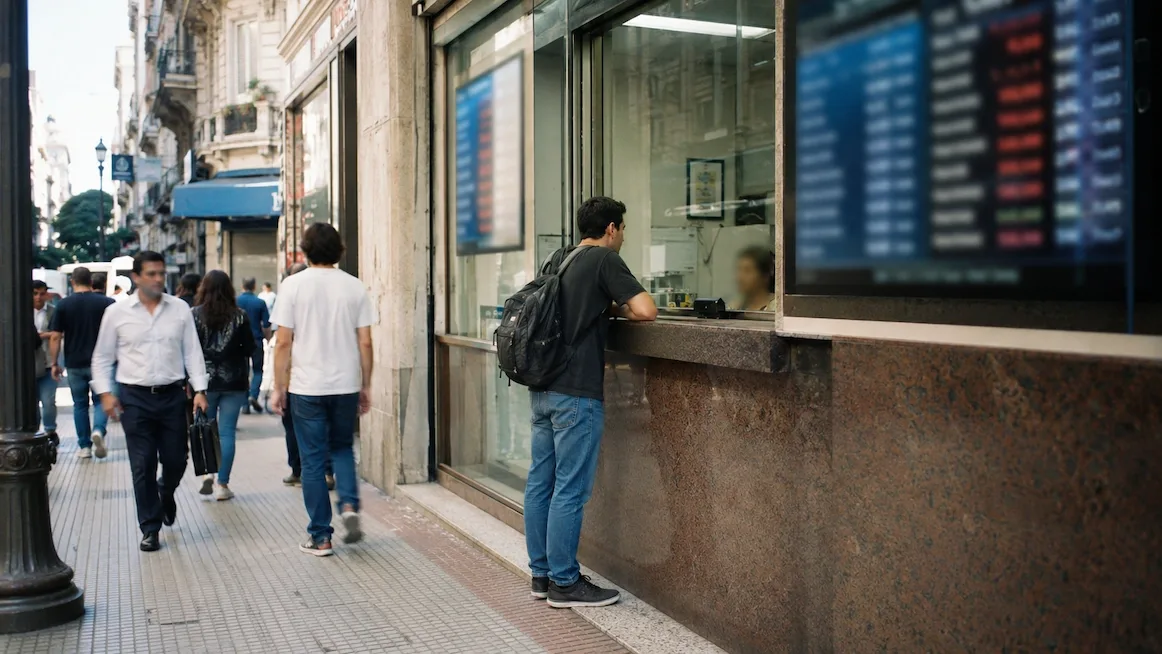
The parallel cash rate, quoted on the street and at the informal cuevas. It exists because Argentines have long wanted dollars the official system used to ration; its premium over the official rate is small now, but it's still a cash game, with the risks that implies.
MEP (dólar bolsa)
A legal route to a dollar rate through the financial markets, using bonds. It's how many locals and businesses price things realistically. Worth knowing the term; it's not something a visitor sets up for a two-week trip.
The crypto rate (dólar cripto)
The price of a dollar expressed through stablecoins. It tracks close to the parallel market and, unlike the blue, a traveler can reach it directly, without a cash deal, by paying with stablecoins.

Ask three porteños what a dollar's worth and you'll get four answers.
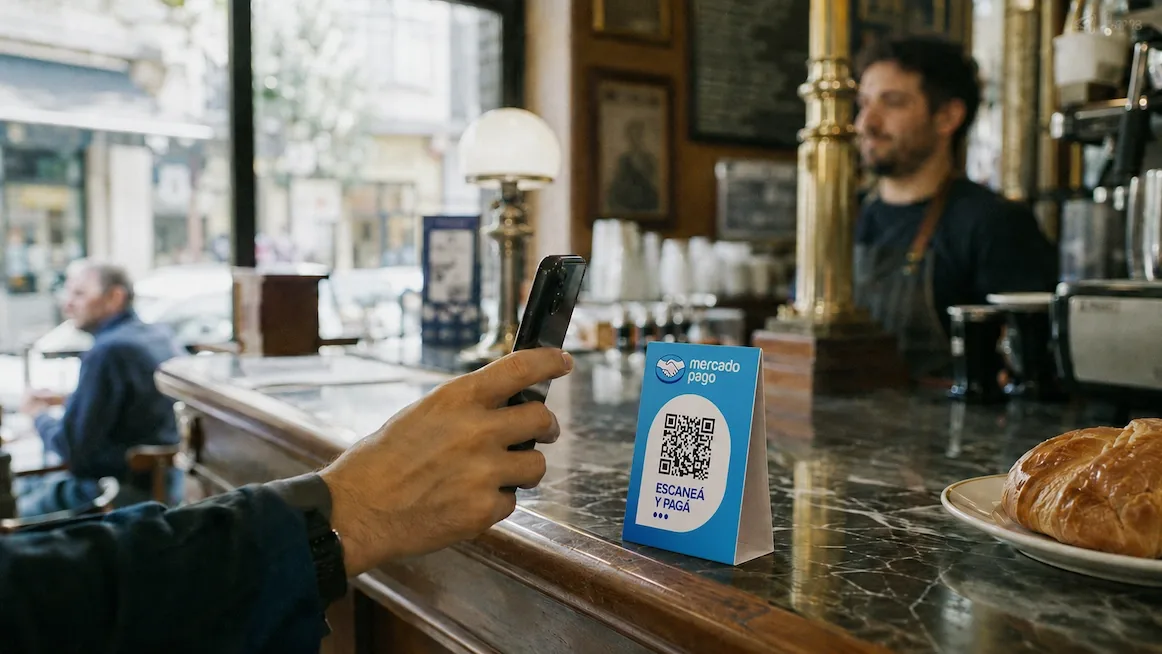
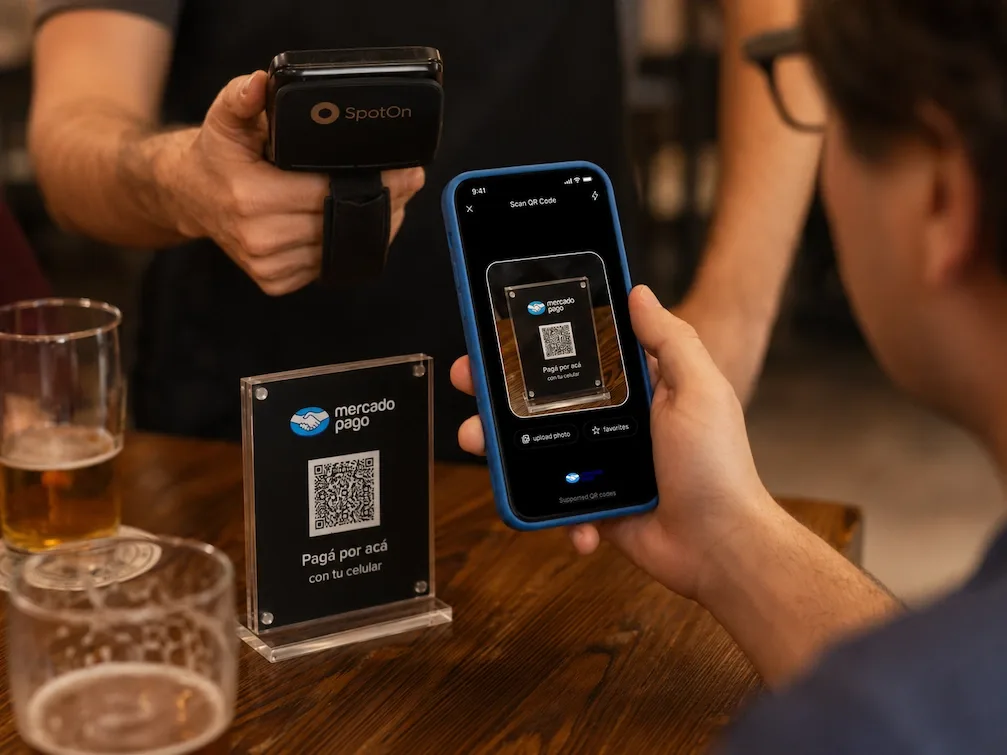
So which rate lands in your pocket? It comes down to how you pay. Tap a foreign card and you’re now generally credited near the market (MEP) rate — better than the old official-rate days, though your bank may still add a markup. Change cash dollars on the street and you’re chasing the blue, with the hassle and risk of a cash transaction. Pay a merchant’s QR from stablecoins and you’re on the crypto rate, which sits with the free-market cluster and needs no cambio, no cash, and no negotiating. The gaps between these are modest now, but stablecoins still land you on the free-market side without the paperwork, which is why “dólar cripto” became how a lot of people, locals included, simply price things.
Mistakes to avoid
Changing money at the airport
The arrivals-hall cambio quotes the worst rate you'll see all trip. Change just enough to get into town if you must, and sort the rest once you've arrived.
Assuming your card is the cheap option
A foreign card is convenient and, these days, credited near the market rate rather than the old official one — an improvement — but there's often a foreign-transaction markup on top, plus the terminal that offers to bill you 'in dollars' (decline it, always pay in pesos).
Hunting the blue when the crypto rate is right there
The street rate made sense when there was no easier way to reach a good number. Paying by QR from stablecoins gets you a comparable rate without the cash, the counterfeits, or the walk to a cueva.
Believing a rate is fixed
All of these move, some daily. Any guide that quotes you an exact number is out of date the week after it's written. Check the live figure — your app shows what a payment converts to before you approve it.
Common questions
Do I need to understand all of this to buy a coffee?
No. The short version: a foreign card is credited near the market rate now, and paying by QR from stablecoins gets you the crypto rate the city plans around — a bit better still, and without the cash or the cambio. If you remember one thing, remember that.