Part of: Paying in Brazil
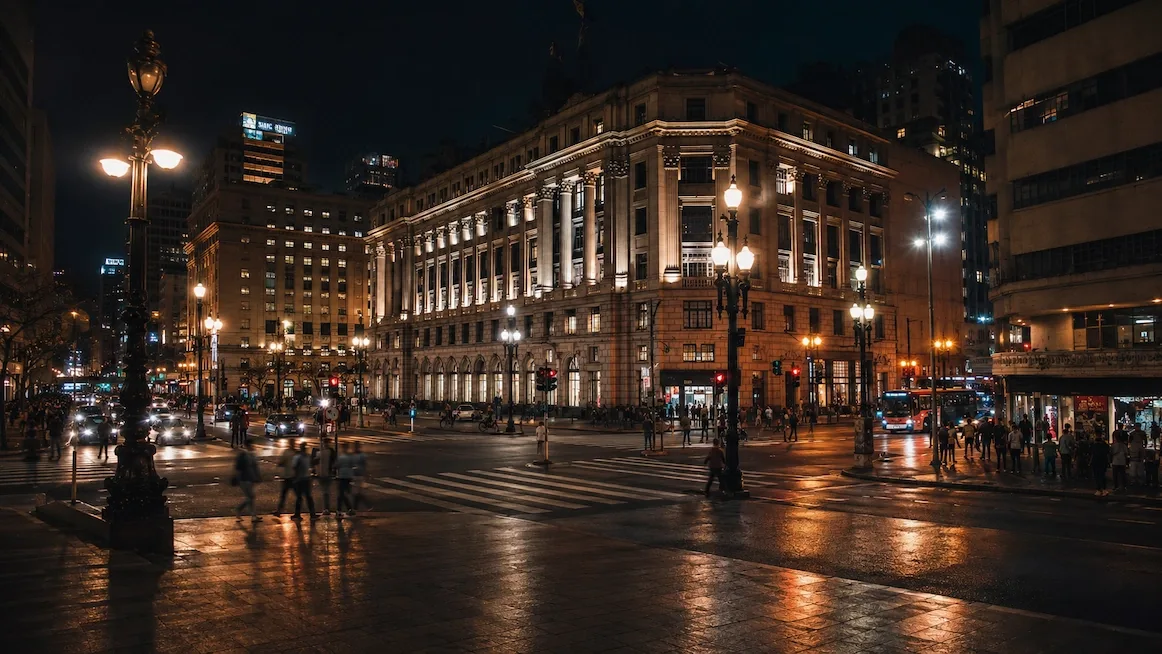
Remote work barely registers in São Paulo. This is the financial engine of the country: the internet is the best in Brazil, the cafés are used to laptops, and the business districts run on coffee and deadlines. The timezone lines up with the United States, so your clients are awake when you are.

Mornings tend toward cafés and afternoons toward calls. The city has purpose-built rooms for both.
Where the work gets done
The café is your morning office
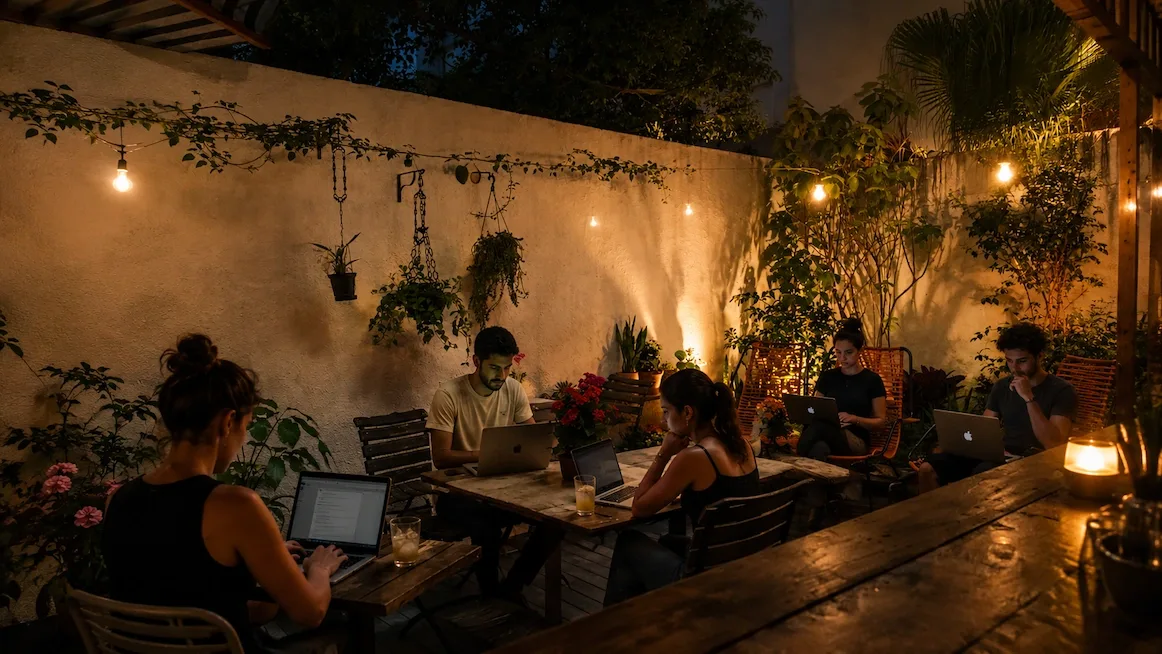
The neighborhood padaria or specialty café is a normal place to sit with a laptop; São Paulo runs on coffee. Pinheiros and Vila Madalena are thick with good ones, most with fast wifi and an outlet if you look. Order, claim a table, and get a stretch of focus in before the calls start.
Coworking when the calls stack up
For back-to-back video calls you want a real desk and a door. The big global chains cluster in Itaim Bibi and along Faria Lima, CUBO is the startup hub, and independents fill in every other neighborhood. Most sell day passes, so you can audition a room before committing to a month.
Ride the US clock
São Paulo sits an hour or two ahead of the US East Coast; Brazil dropped daylight saving, so the exact gap moves when the States change their clocks. Either way the overlap is generous. A normal workday here covers an East Coast morning and afternoon, and your calls land in daylight.
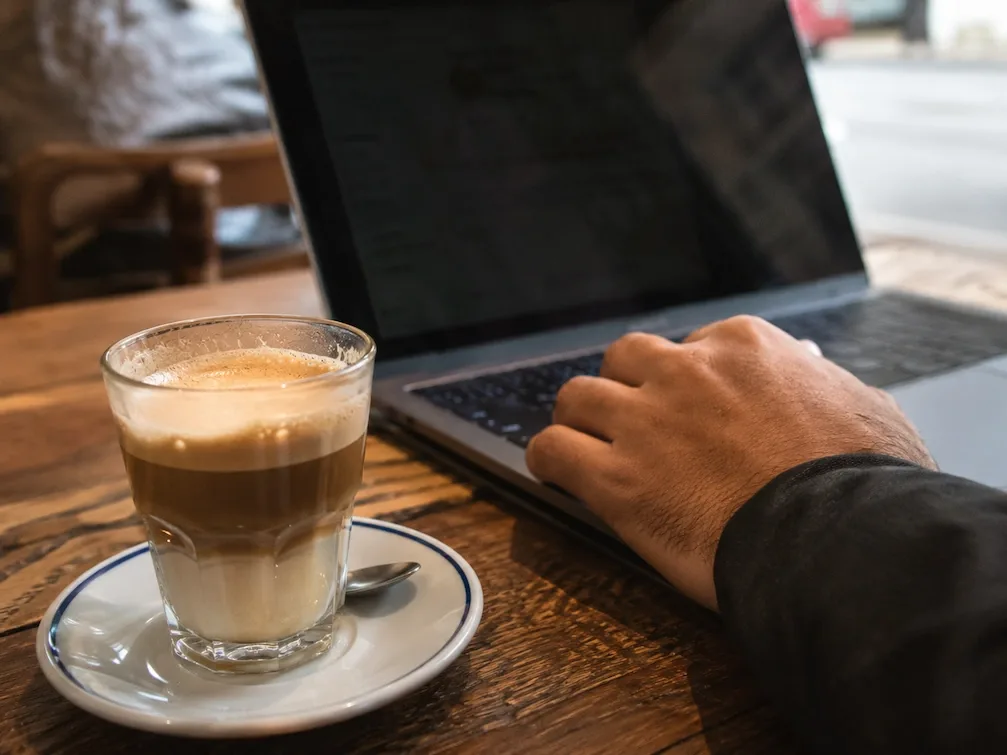
São Paulo doesn't wind down around your laptop. The whole city is working too.
Mistakes to avoid
Trusting café wifi for the calls that matter
The fiber here is the best in the country, but a busy café is still a gamble with a client on the line. Book a coworking desk in Itaim Bibi or along Faria Lima for anything back-to-back.
Basing away from the west side
Pinheiros, Vila Madalena and the Avenida Paulista corridor hold the density of good desks and coffee. Set up far from them and you'll spend the working day in traffic instead of at a table.
Assuming the US gap is fixed
Brazil dropped daylight saving, so the exact offset to the East Coast moves when the States change their clocks. Recheck a standing call around those switches rather than trusting last month's math.
Skipping the speed test
Gigabit fiber is common but not universal, especially in older buildings. Ask a rental to run a real test before you sign, and keep a backup eSIM for the occasional wobble.
Common questions
Is the wifi reliable?
Yes, the best in the country. Gigabit fiber is normal in any decent apartment building, and cafés and coworking spaces run fast connections as a matter of course. A backup eSIM gives you a second line for anything critical, though in a central neighborhood you will rarely reach for it.
Best neighborhoods to work from?
Pinheiros and Vila Madalena for the café-and-coworking density, with the big global coworking chains clustered in Itaim Bibi and along Faria Lima. Base on the west side and you're never far from a good desk. Vila Mariana is the quieter, better-value option near the green metro line if you want calm over buzz.
What's the overlap with US hours?
Generous. São Paulo runs an hour or two ahead of the US East Coast, and since Brazil dropped daylight saving, the exact gap shifts when the States change their clocks. A normal working day here still covers an East Coast morning and afternoon, with every call in daylight. Few cities in the hemisphere make American-facing hours this easy.
Café or coworking for the calls?
Café for solo mornings, coworking for anything with stakes. Padarias and specialty cafés in Pinheiros and Vila Madalena are happy hosts for heads-down work, and with gigabit fiber standard the wifi is rarely the problem. But nobody wants to run a day of video calls from a café table; a day pass in Itaim Bibi or along Faria Lima is cheap insurance.