Live market · Yodl Argentina · field guide
Paying in Argentina
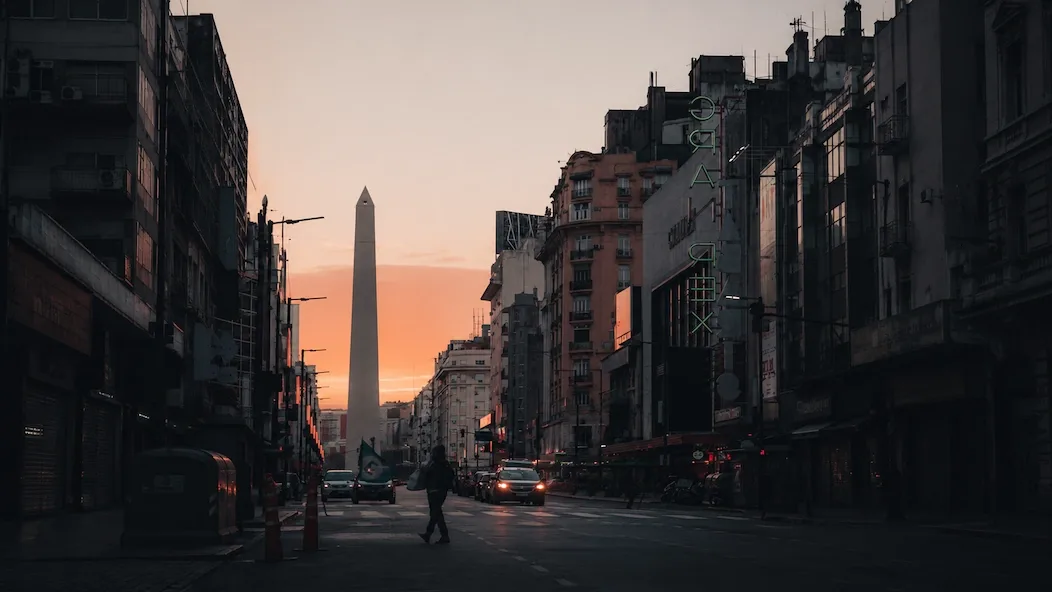
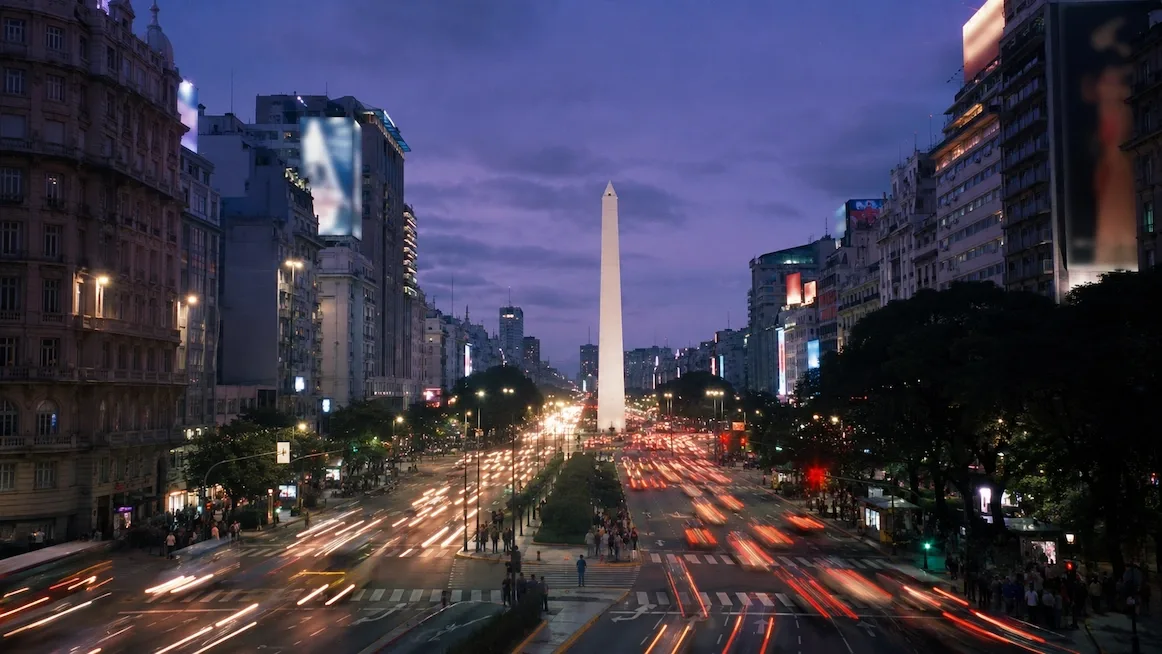
How to land, get around, eat, work, and pay in Buenos Aires, from people who do it. The useful, unglamorous version: which ride app to trust, where one cortado rents you a desk for the afternoon, and why the crypto rate became the normal way to think about money here. Mercado Pago and Transferencias QRs work across Argentina, not just Buenos Aires — so Yodl travels with you.
01 · Arrive
Getting in from Ezeiza
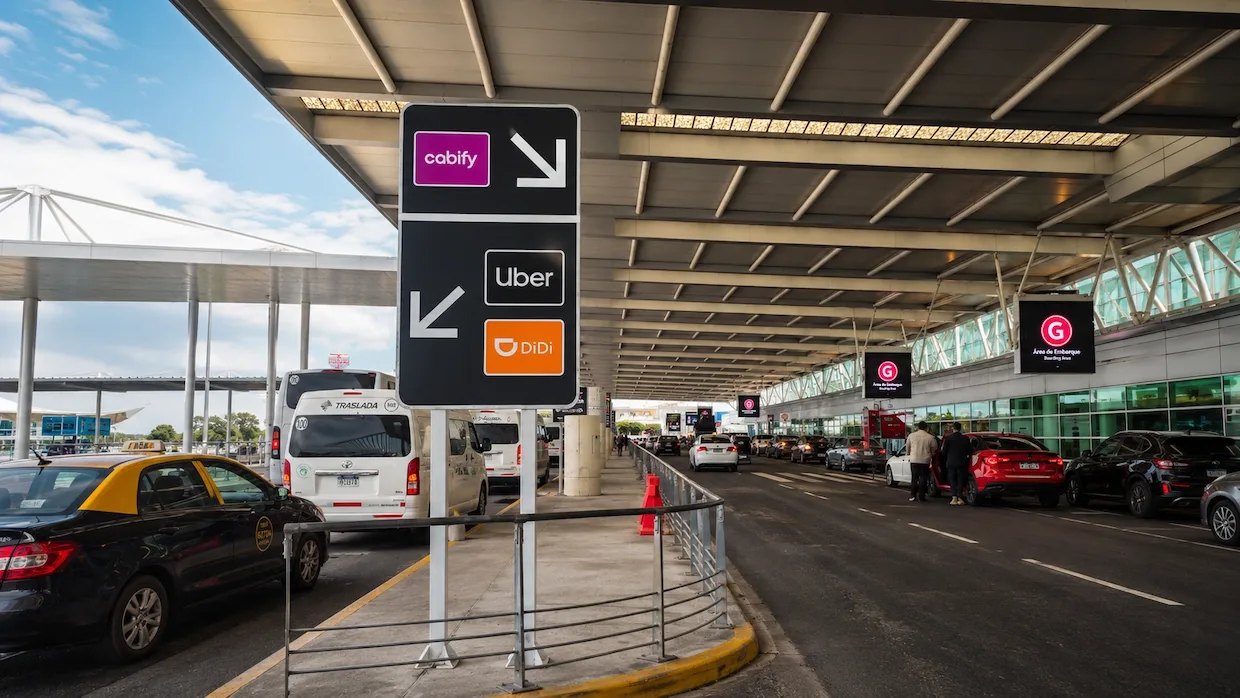
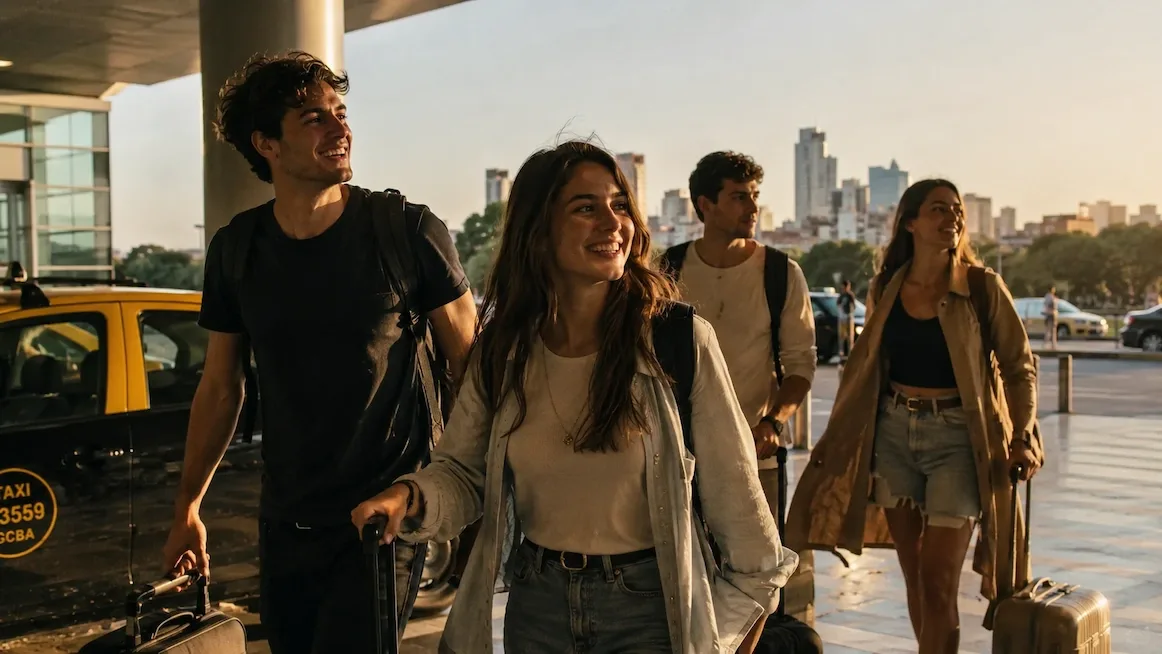
International flights land at Ezeiza (EZE), a good 35 km south of the center, and the ride in runs 45 minutes to an hour depending on traffic; domestic and regional flights use Aeroparque (AEP), which sits right in the city, ten minutes from the northern neighborhoods. From either one, book a Cabify or Uber from the baggage hall rather than the man at arrivals calling “taxi, my friend” — the app fare is set before you get in. Install an eSIM at home (Claro, Movistar and Personal all work) so the map and the ride app are alive at the jet bridge. Your first pesos can wait: the ride bills your card, and no cambio in town will treat you worse than the one at the airport.
02 · Get around
SUBE, colectivos, and your feet
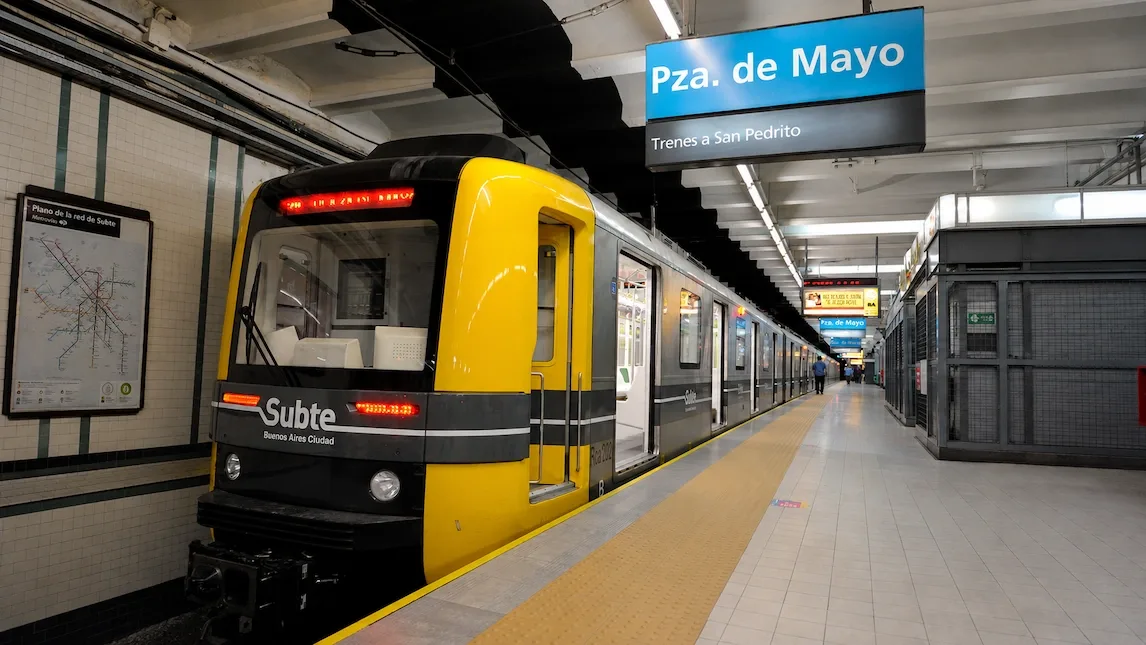
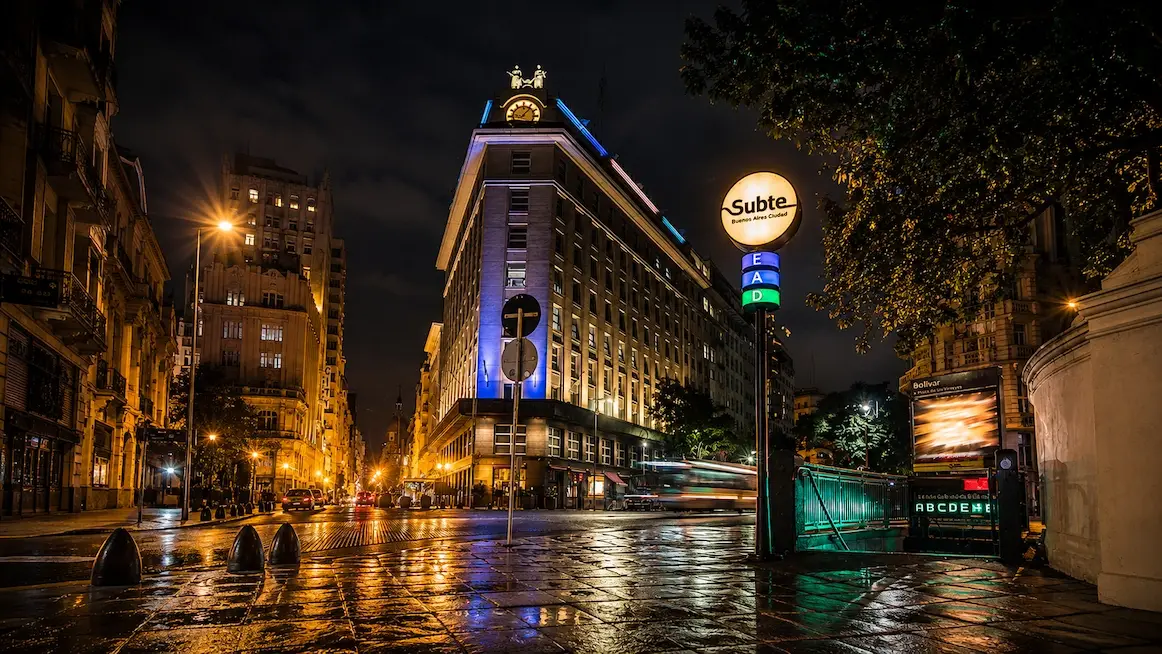
A SUBE card from any kiosco is the one purchase that unlocks the city: it pays for every colectivo (bus) and every subte (metro) turnstile on a single tap, and the fares are small enough to read like a misprint. Load a chunk of pesos onto it at a kiosco or a station machine so you are not refilling every other day. Palermo, Recoleta and San Telmo are walking territory inside themselves; between barrios, the colectivo network is vast and runs all night once it starts to make sense to you. The subte is quick but shuts early in the evening, so it's a daytime thing. For late nights and cross-town hops, a Cabify or Uber beats hailing an unmarked car on the street.
03 · Money & paying
How the money works
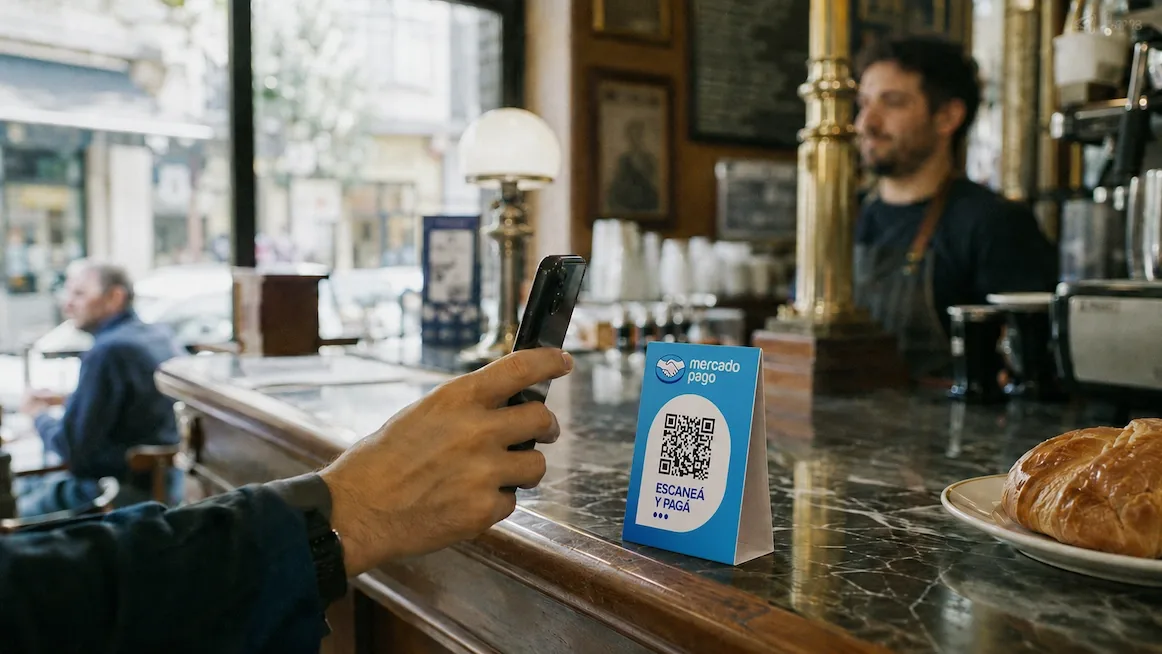
Argentina runs several exchange rates at once. A foreign card lands nearer the market rate than it used to, though it often adds a foreign-transaction markup on top. Meanwhile nearly every café, kiosco and feria stall takes a QR, and Mercado Pago is the system almost everyone scans. Visitors who do the math end up thinking in the widely-quoted “crypto” rate, which sits on the free-market side — a bit better than the card, and reached without the paperwork.
In practice: hold your money as stablecoins (USDC/USDT) in Yodl, point the phone at the Mercado Pago QR already on the counter, and a licensed local partner pays the shop in pesos on the spot. No Argentine bank account, no exchange counter, no card in the machine. You keep control of your own funds, and the shop sees an ordinary QR payment land, same as from any local.
A $50 lunch, two ways
Sample · verify04 · Eat & drink
Parrilla, medialunas, and the feria
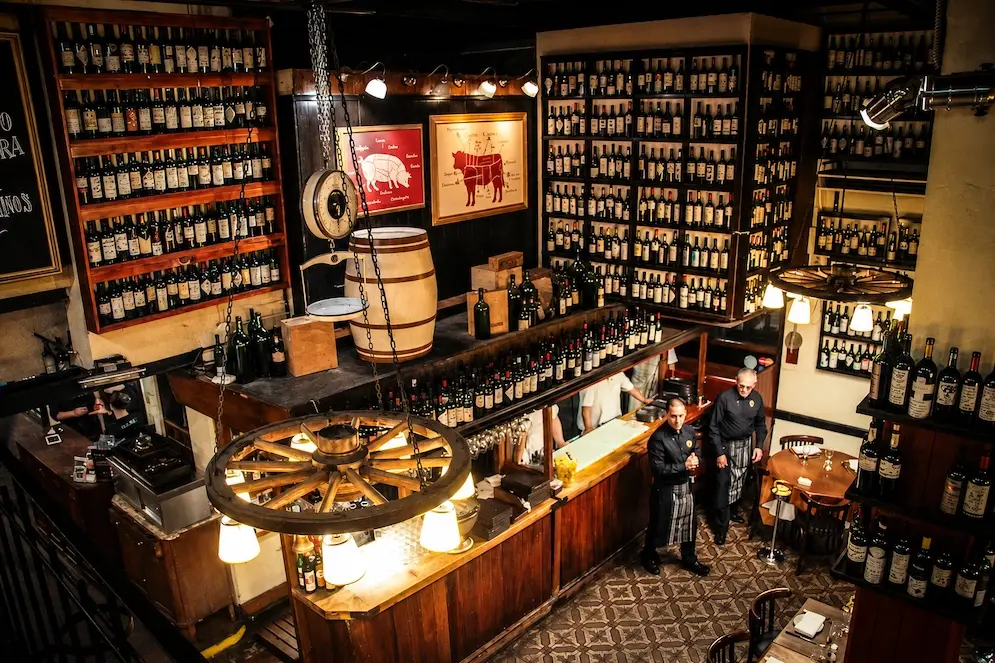
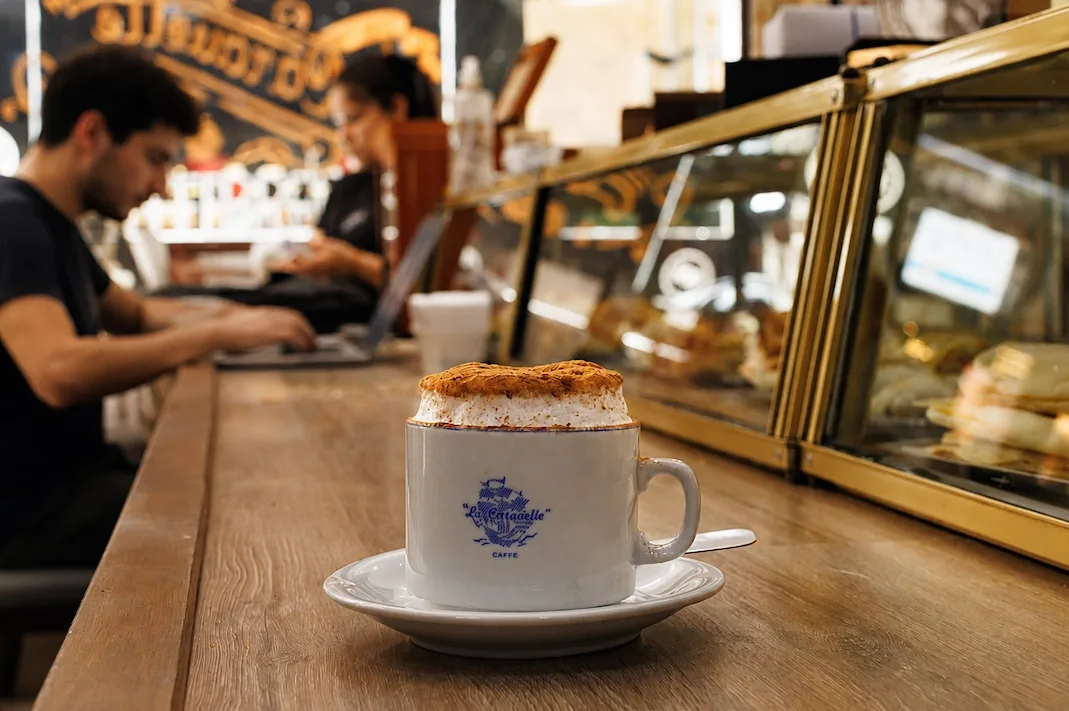
Breakfast is medialunas and a cortado, taken standing at the counter. Lunch is a bodegón — one of the old wood-paneled places that do a hearty plate and a glass of wine — or a por-peso stall at a feria. Dinner runs late: nobody sits down before nine, and the parrilla is the reason. Palermo has the wine bars and the tasting menus, San Telmo has the Sunday feria and the century-old cafés, and Don Julio is the parrilla worth booking weeks ahead. If there is a grandmother working the grill, sit down. Whatever the spot, the QR on the counter takes the same tap as everywhere else.
05 · Work
Where to get things done
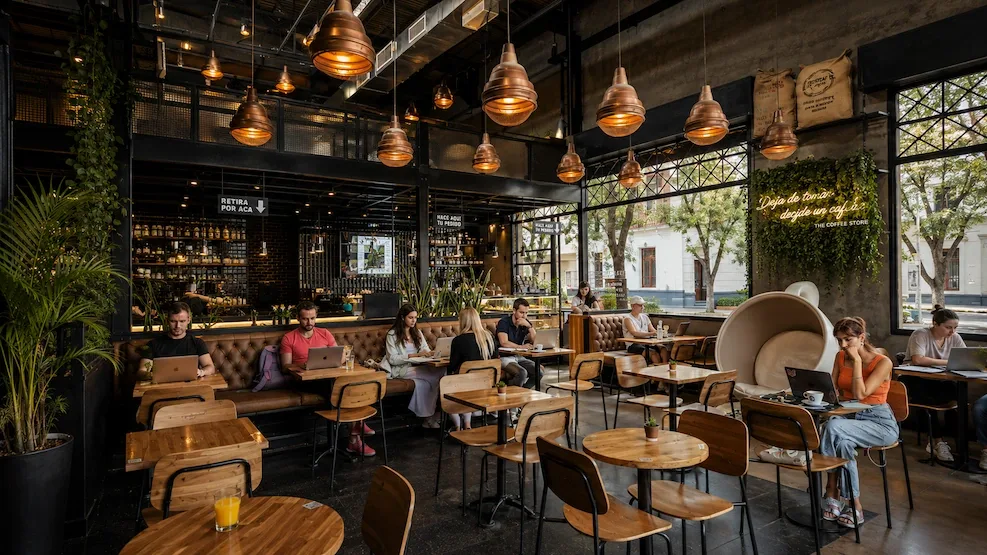
Cafés here run on a simple deal: one cortado rents you a table for the whole afternoon, and no waiter is going to move you along for working. Palermo and Villa Crespo have the deepest bench of laptop-friendly rooms — real fiber, outlets, and the calm to get a stretch of focus in before the calls start. For the calls that cannot drop, a coworking day pass in either neighborhood buys a quiet room and reliable upload. The timezone does the rest: Buenos Aires sits a couple of hours ahead of US Eastern with no daylight saving to track, so deep work lands in your morning and meetings after lunch. Europe is the awkward one; it wants you online before the medialunas.
06 · Neighborhoods
Where to base yourself
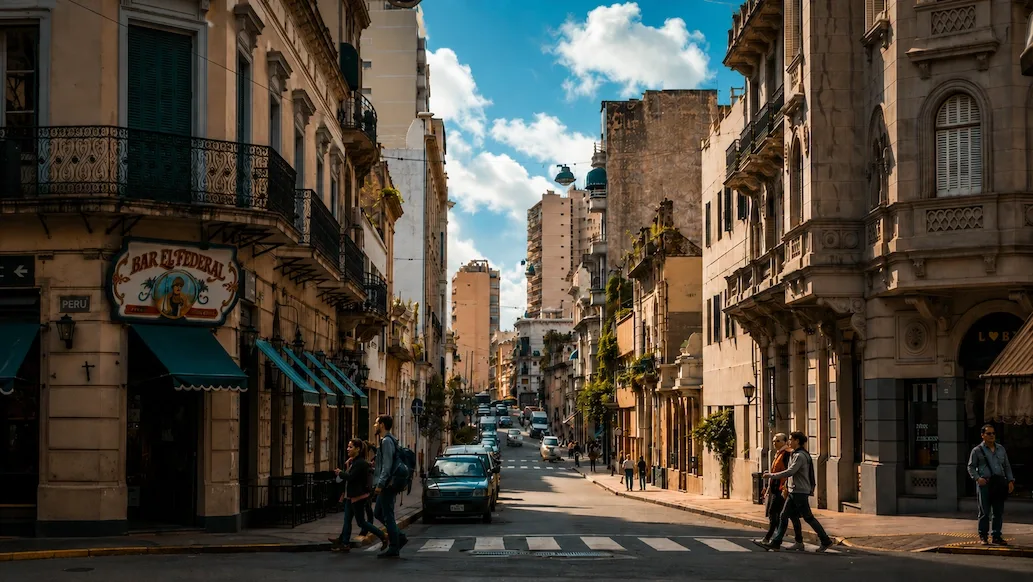
Palermo for the first month: walkable, green, thick with cafés, and split into Soho for the design-and-food crowd and Hollywood for the bars and studios. It costs more than the rest of the city, and for a first month that's money well spent. Villa Crespo next door trades the polish for value, with the cafés and the fiber holding up just as well. San Telmo is the old city — cobblestones, antique shops, the Sunday feria — with more atmosphere per block than anywhere else, though its nights ask for a bit more street sense. Recoleta is the calm, grown-up option. Furnished months span a wide range depending on the barrio and how you book; whatever you agree on, pay it the local way with a QR rather than a wire.
The directory
Places we actually go
- Pick$$
Café San Juan
The San Telmo bodegón everyone sends you to, and it earns it. Go for the lunch menu rather than dinner, order the entraña, and be there before 1pm or expect a line.
Eat · San Telmo
- Pick$
Lattente, Palermo
Competition-grade beans, fast wifi, and no one rushing you off the table. Outlets are scarce, so claim the window seat or arrive charged.
Coffee · Palermo
- Alt$
Feria de San Telmo
The Sunday antiques and crafts market down Defensa. Fun for a wander and packed by noon. Give it an hour, not an afternoon.
Do · San Telmo
- Skip—
Caminito, La Boca
Photogenic for ten minutes and a hard sell after that: inflated menus, tango for tips, pickpockets. Go early, take the photo, and be out of the neighborhood by dusk.
Do · La Boca
Curated and opinionated — the list grows as we go, and gets fixed the moment a reader tells us it changed.
Every guide, one place
The Argentina guides
Start here · Anchor
How to pay in Argentina as a traveler
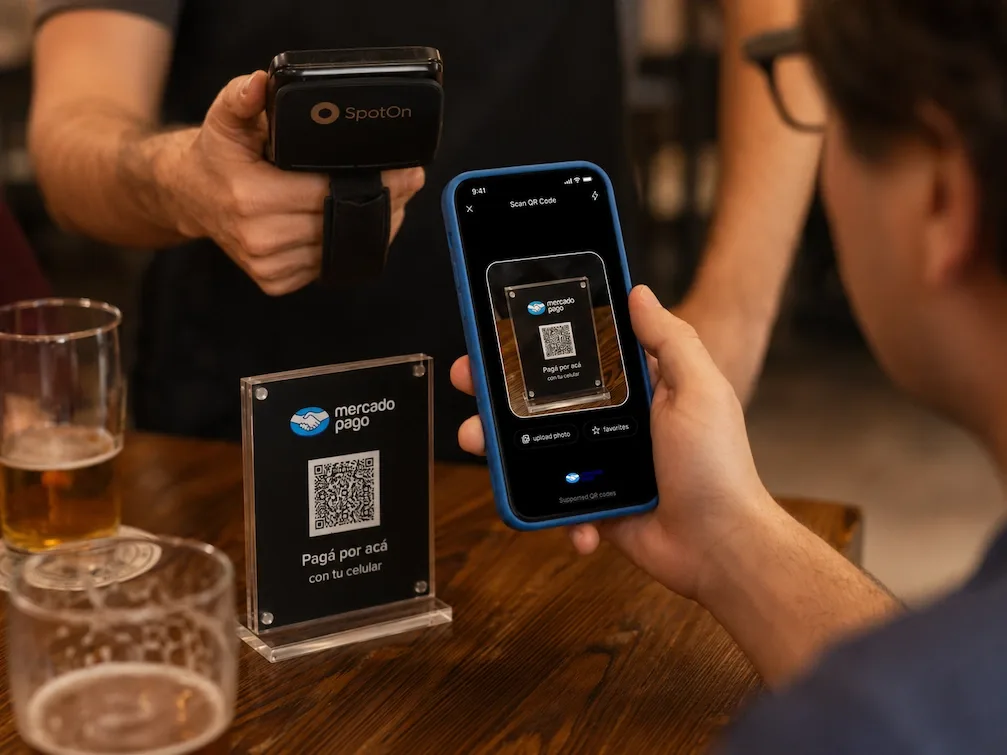
Skip the ATM line and the airport cambio. Hold stablecoins (USDC/USDT) in Yodl, scan the Mercado Pago QR that's already on the counter, and a licensed local partner pays the shop in pesos, usually at a better rate than your card would manage. You never need an Argentine bank account.
Argentina, answered
The short version. Everything else is in the guides above.
Do I need an Argentine bank account?
No. The app and a balance are all paying takes. Your passport gets you into the country; your phone handles the rest.
Where should I base myself?
Palermo for a first stay, almost every time. It's walkable, leafy, dense with good cafés, and puts most of what you came for within reach, which is worth the premium while you find your feet. Villa Crespo next door is the value version, and San Telmo is for travelers who want the old city over convenience. Book short-term first, then decide.
Do I need to speak Spanish?
It helps, but you'll manage without it. In Palermo and the tourist-facing parts of the city plenty of people speak some English, menus often carry translations, and maps and ride apps do the rest. A handful of polite phrases go a long way, and pointing works at a parrilla. A month in and you'll pick up more than you expect.
Is Buenos Aires safe?
Broadly yes, with the street sense any big city asks for. Petty theft and phone-snatching are the real risks, not violence against visitors, so keep your phone off the table at a sidewalk café and use a ride app late at night. Palermo and Recoleta feel calm around the clock; parts of the center and the south warrant more attention after dark.
Pay like a local in Argentina.
Hold stablecoins, scan the QR already on the counter. Traveler, expat or nomad, it's the same app.