Part of: Paying in Argentina
Ask three people in Buenos Aires what a dollar is worth and you’ll get four answers. The one nobody wants is the official one. Pay with a foreign card and, these days, you’ll land nearer the market rate — better than the old days — though it usually tacks on a foreign-transaction fee. The number porteños plan around is the crypto rate, which stopped being a workaround somewhere along the way and became, simply, the going rate.
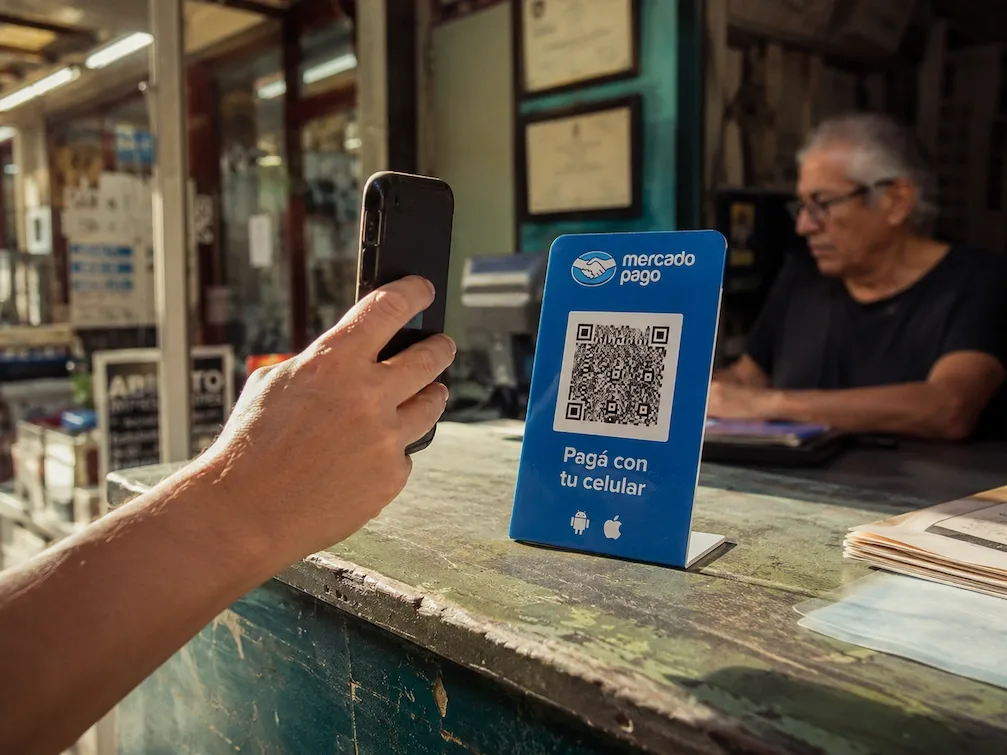
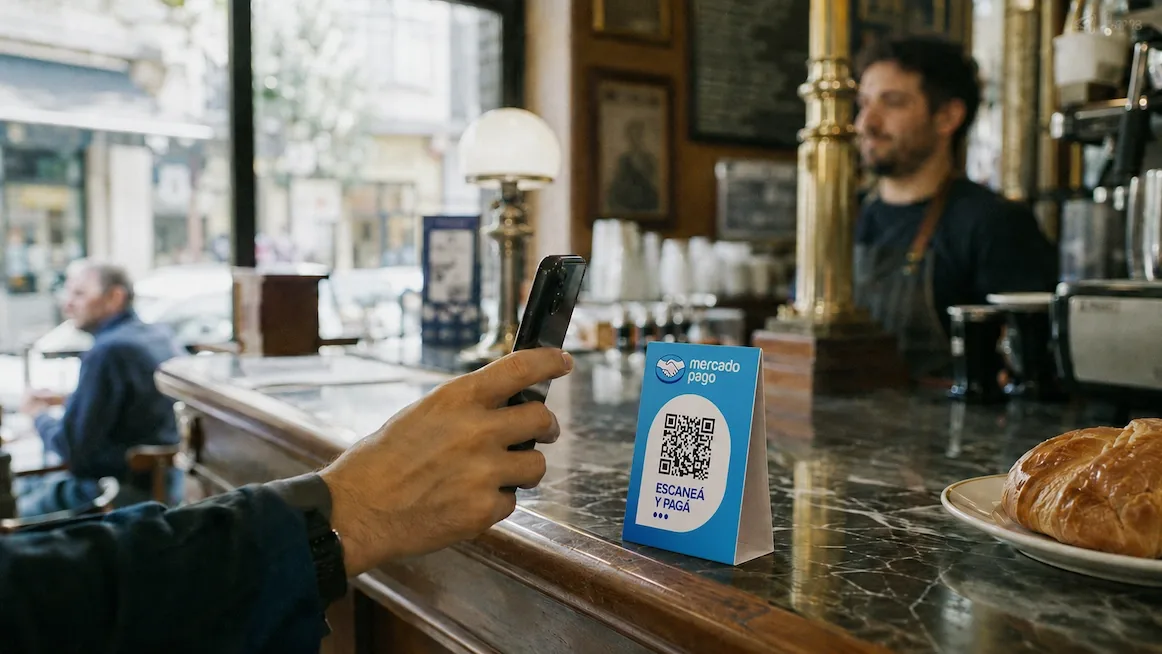
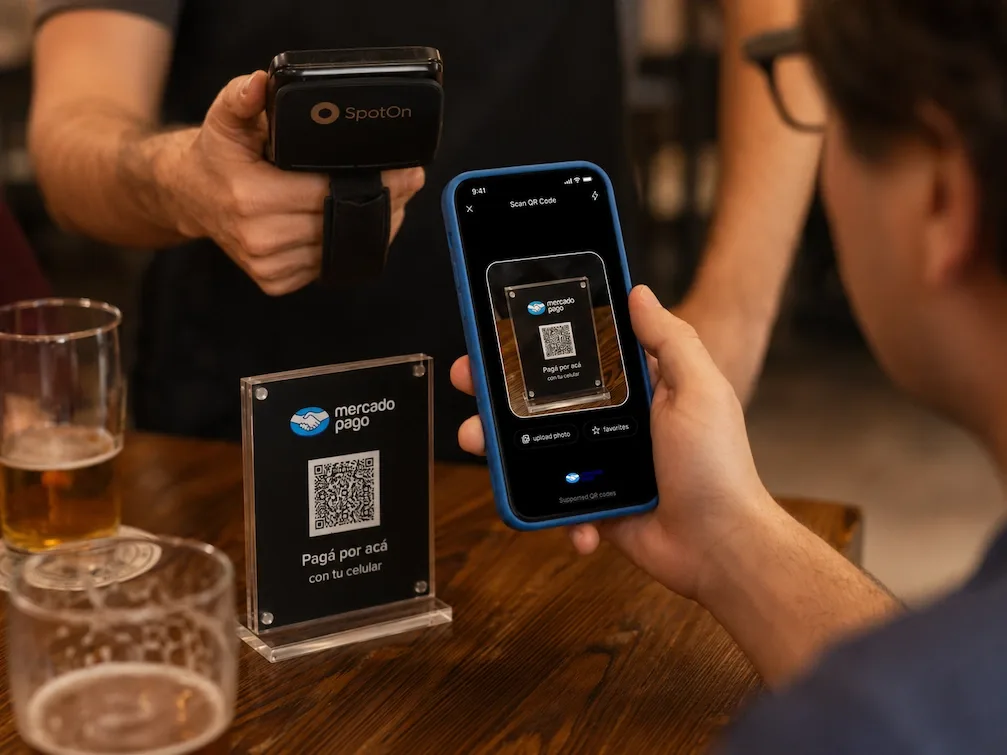
Yodl is built on that number. You hold stablecoins (USDC/USDT), you scan the Mercado Pago code the café already has taped to the register, and a licensed local partner pays them in pesos. The waiter doesn’t blink.
Pay in three taps
Top up before you fly
Send USDC or USDT to Yodl from whatever exchange or wallet you already use. Arrivals-hall wifi is nobody's friend.
Scan the counter QR
The blue Mercado Pago code by the register is the one you want. Point Yodl at it and type the amount in pesos.
They get pesos
Approve on your phone. A licensed partner pays the shop in local currency, and lunch carries on.
One thing worth understanding before your first scan: Yodl is a wallet you control, not an account someone else holds for you. The balance sits with you, only you can move it, and every payment gets approved on your phone before a peso goes anywhere. Argentines keep long memories about letting other people hold their money. With this, nobody does.
That first scan, for what it’s worth, is an anticlimax. You type the amount the waiter tells you, your thumb hovers a second longer than it needs to, the phone behind the bar chimes, and everyone goes back to their lunch. By the third day you stop narrating it to yourself. By the second week you’re annoyed at the one kiosco that still wants coins.
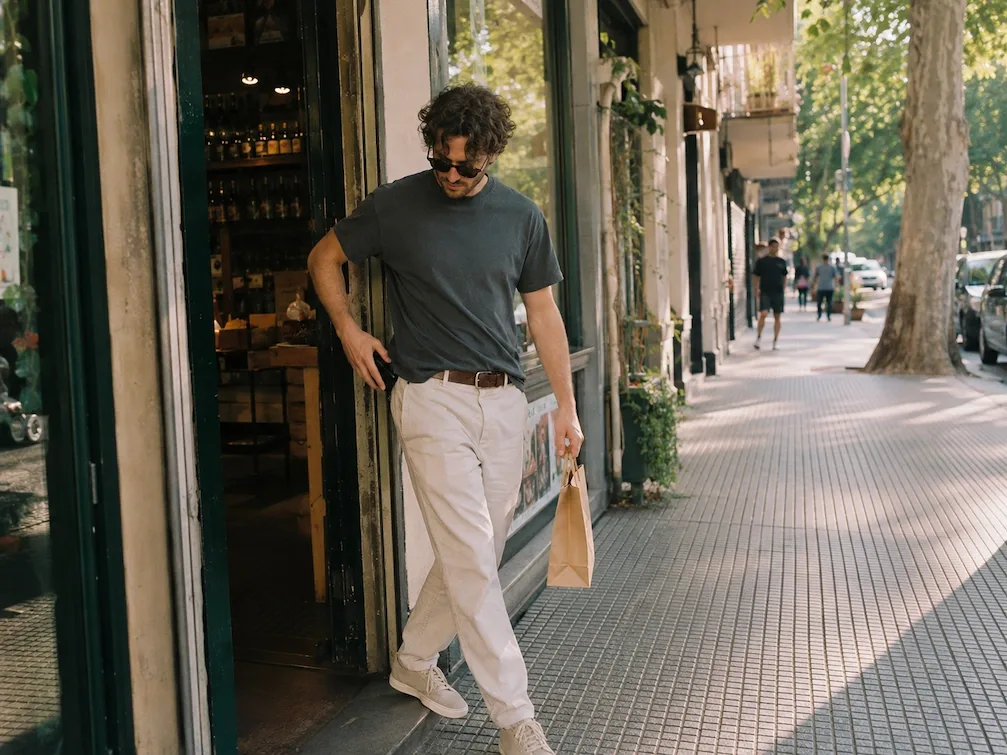
“In Buenos Aires, the crypto rate isn’t a hack. It’s just how the city prices a dollar.”
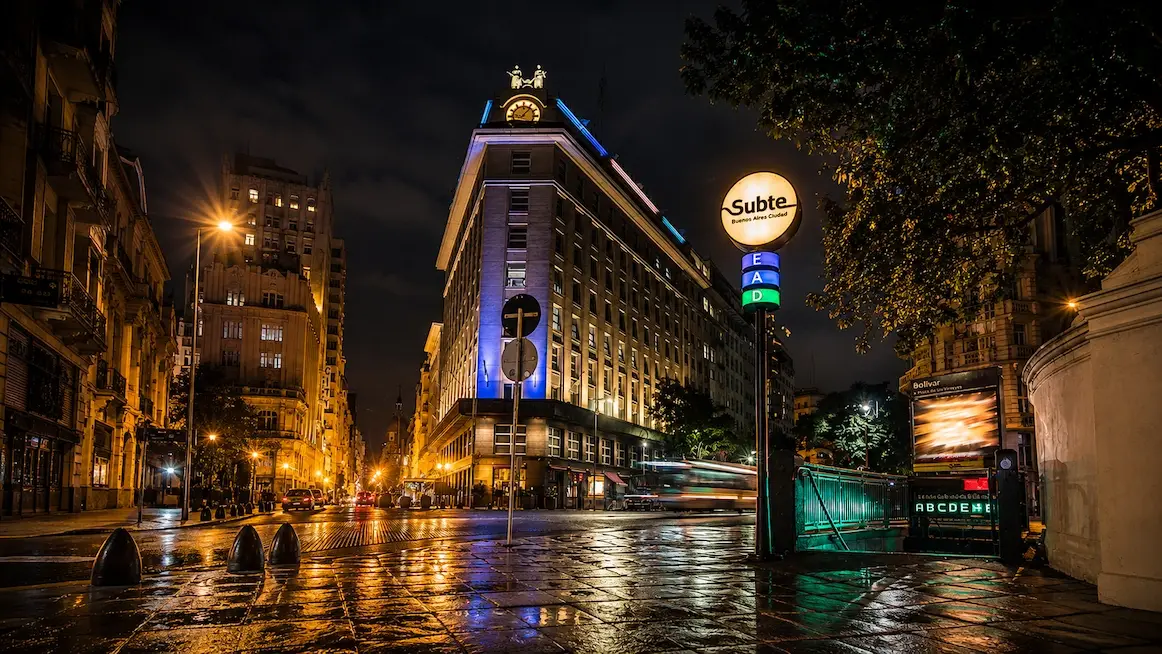
You’ll still want a few small bills in your pocket. The SUBE card that runs the buses loads with cash at kioscos, the odd empanada window simply prefers paper, and a feria on a busy Sunday moves faster when you can hand over exact change. Think of pesos as the side pocket, not the wallet. Anything with a register and regulars shows the QR.
Running low mid-trip isn’t an event, either. You top up the same way you did the first time, from whatever exchange or wallet you already use, wherever you happen to be sitting. There’s no branch to visit and no form to fill out, and you never have to explain yourself to anyone.
The lunch math
The ledger below runs one ordinary lunch through both paths. On a foreign card the cost is quieter than it used to be — the rate you get has improved — but a foreign-transaction fee still rides along. Paying the QR from stablecoins skips that card layer and keeps you on the free-market side. The gap is smaller than in the old days, but across a month of lunches and Malbec it still adds up.
A $50 lunch, two ways
Sample · verify — figures need per-market fact-checkWhat a day costs
What a day costs
Sample · verify| Item | Cost |
|---|---|
| Coffee | — |
| Lunch | $50.00 |
| Dinner for two | — |
| Taxi across town | — |
| Coworking day-pass | Feels low, in dollars |
Common questions
Do I need an Argentine bank account?
No. You pay from the app with whatever balance you're holding. An Argentine bank account never comes into it.
Do I still need cash for anything?
A little. Anything with a register and regulars shows a Mercado Pago QR, so it covers most of your day. Keep a few small bills for the SUBE top-up, the odd empanada window, and a busy Sunday feria where exact change moves the line faster. That handful of pesos is all the cash the day usually asks for.
What happens the moment I scan?
You point the app at the counter's Mercado Pago code, type the amount in pesos, and approve it on your phone. A licensed local partner pays the shop in pesos, the register chimes, and that's the whole ceremony. No terminal, no card, no signature. From the waiter's side it looks like any other QR payment arriving.
Who holds my money, the app or me?
You do. Yodl is a wallet you control, so your balance sits with you and only you can move it. Every payment is approved on your phone before a peso goes anywhere. You are not opening an account or handing your funds to someone else to look after; you carry your own money and spend it scan by scan.